

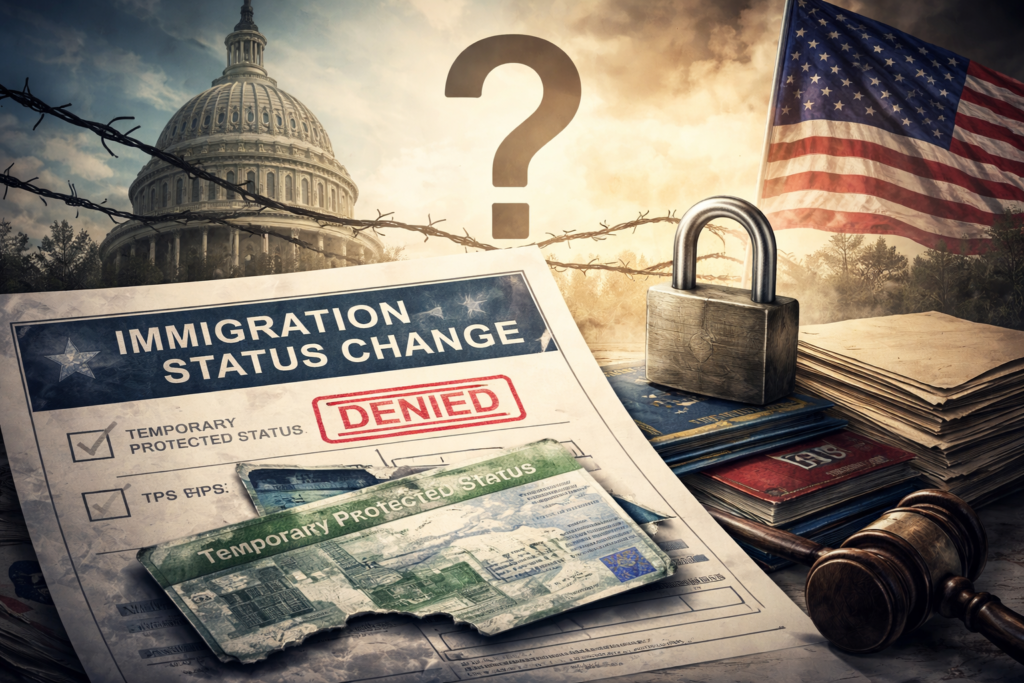
Earlier this month, journalists and community media outlets from across the country gathered virtually for a national briefing hosted by American Community Media to examine a sweeping shift in United States immigration policy. The discussion focused on how immigrants who entered the country legally, in many cases decades ago, are increasingly being reclassified as unauthorized under new federal actions and legal interpretations.
Moderated by Pilar Marrero, the briefing brought together legal scholars, advocates, former immigration judges, and directly impacted immigrants to unpack how executive actions and administrative decisions are reshaping the meaning of lawful presence in the United States.
At the center of the discussion was the growing concern that lawful immigration status is no longer a stable or reliable protection. Professor Hiroshi Motomura, co-director of the UCLA Center for Immigration Law and Policy, explained that U.S. immigration law has long included multiple lawful categories beyond citizenship and permanent residency. These include Temporary Protected Status, humanitarian parole, and deferred action programs that allow people to live and work legally while pursuing long term solutions.
According to Motomura, the current administration is moving to strip or narrowly reinterpret these protections. Entire groups of immigrants who followed every legal requirement are now at risk of losing status through executive orders, agency rule changes, and aggressive litigation positions. If fully implemented, these actions could affect more than two million people nationwide.
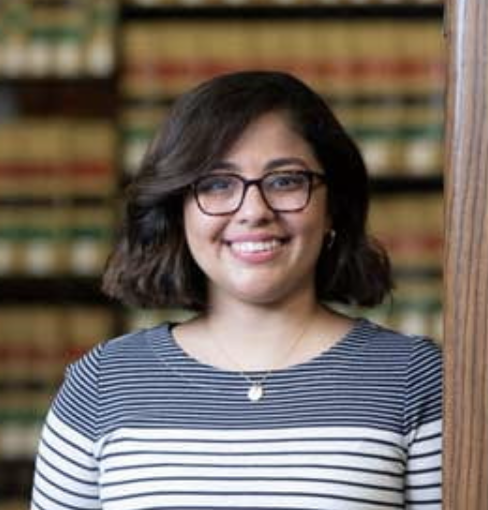
Laura Flores-Perilla, a staff attorney with the Justice Action Center, described how humanitarian parole programs have historically been used by administrations of both parties to respond to global crises. These programs have allowed people fleeing war, political instability, and humanitarian emergencies to enter the United States legally and work while their cases move forward.
She warned that the current rollback of parole protections represents an unprecedented effort to delegalize people who were explicitly invited to come through lawful pathways. In some cases, individuals attending required immigration court hearings have been detained and placed into expedited removal proceedings, a fast track deportation process that limits due process.

Former immigration judge Jeremiah Johnson, now vice president of the National Association of Immigration Judges, said these policies are also reshaping the immigration court system itself. He described a growing shortage of judges as firings and resignations leave courtrooms empty, reducing access to judicial review. Without judges to hear cases, immigrants lose one of the last safeguards protecting lawful status from being abruptly revoked.

Adelys Ferro, executive director of the Venezuelan American Caucus, spoke about the emotional toll these changes are having on families. She described widespread fear, exhaustion, and uncertainty among Venezuelan immigrants who have lived for years under temporary protections. Parents are questioning whether they should drive, travel, or even apply for benefits they are legally entitled to out of fear that any interaction with authorities could lead to detention.
The briefing also included testimony from Andrea, a DACA recipient who asked to withhold her last name for safety reasons. She shared how her application has remained in limbo for years despite meeting every eligibility requirement. Like many others, she now lives with the constant uncertainty of whether her lawful presence could disappear overnight.
Panelists emphasized that beyond legal consequences, these policies send a broader message about belonging. Even immigrants eligible for citizenship are hesitating to apply, fearful that past records or shifting standards could be used against them later.
As the briefing concluded, speakers urged community media to play a critical role in providing accurate information and amplifying the voices of those affected. The changes underway, they warned, do not simply alter immigration policy. They redefine who is considered lawful, who belongs, and who remains vulnerable in the United States.
De la legalidad a la incertidumbre: cómo se redefine el estatus migratorio
A principios de este mes, periodistas y medios comunitarios de todo el país participaron en una sesión informativa nacional organizada por American Community Media para analizar un cambio profundo en la política migratoria de Estados Unidos. El encuentro se centró en cómo inmigrantes que ingresaron legalmente al país, en muchos casos hace décadas, están siendo reclasificados como no autorizados bajo nuevas acciones federales y estrategias legales.
La sesión fue moderada por Pilar Marrero y reunió a académicos, defensores de derechos, ex jueces de inmigración y personas directamente afectadas. El objetivo fue examinar cómo órdenes ejecutivas y decisiones administrativas están transformando el significado de la presencia legal en Estados Unidos.
Uno de los puntos centrales fue la creciente preocupación de que el estatus migratorio legal ya no ofrece una protección estable. El profesor Hiroshi Motomura, codirector del UCLA Center for Immigration Law and Policy, explicó que la ley migratoria estadounidense siempre ha incluido múltiples categorías legales además de la ciudadanía y la residencia permanente. Estas incluyen el Estatus de Protección Temporal, el parole humanitario y programas de acción diferida que permiten a las personas vivir y trabajar legalmente mientras buscan soluciones permanentes.
Motomura advirtió que la administración actual está avanzando para eliminar o reinterpretar estas protecciones. Comunidades enteras que cumplieron con todas las reglas ahora enfrentan la pérdida de estatus mediante órdenes ejecutivas, cambios en políticas federales y nuevas posturas legales. Si estas medidas se implementan por completo, podrían afectar a más de dos millones de personas en todo el país.
Laura Flores-Perilla, abogada del Justice Action Center, explicó que los programas de parole humanitario han sido utilizados durante décadas por administraciones de ambos partidos para responder a crisis globales. Estos programas han permitido que personas que huyen de guerras, persecución y desastres humanitarios ingresen legalmente al país y trabajen mientras avanzan sus casos.
Señaló que la eliminación de estas protecciones representa un esfuerzo sin precedentes para quitar estatus legal a personas que fueron invitadas a ingresar por vías autorizadas. En algunos casos, personas que acudieron a audiencias migratorias obligatorias fueron detenidas y colocadas en procesos de deportación acelerada, los cuales limitan severamente el derecho al debido proceso.
El ex juez de inmigración Jeremiah Johnson, ahora vicepresidente de la National Association of Immigration Judges, explicó que estas políticas también están afectando el funcionamiento de los tribunales migratorios. Describió una escasez creciente de jueces debido a despidos y renuncias, dejando tribunales vacíos y reduciendo el acceso a revisión judicial. Sin jueces, muchas personas pierden la única vía para defender su estatus legal.
Por su parte, Adelys Ferro, directora ejecutiva del Venezuelan American Caucus, habló del impacto emocional en las familias venezolanas. Describió un ambiente de miedo, agotamiento e incertidumbre entre personas que han vivido durante años bajo protecciones temporales. Muchos padres se preguntan si es seguro manejar, viajar o incluso solicitar beneficios legales por temor a ser detenidos.
La sesión también incluyó el testimonio de Andrea, beneficiaria de DACA, quien pidió mantener su apellido en reserva por razones de seguridad. Compartió que su solicitud ha permanecido en espera durante años, a pesar de cumplir con todos los requisitos. Como muchos otros, vive con la incertidumbre constante de que su estatus legal pueda desaparecer de un día para otro.
Los panelistas coincidieron en que más allá de las consecuencias legales, estas políticas envían un mensaje profundo sobre quién pertenece y quién no. Incluso personas elegibles para la ciudadanía dudan en solicitarla por temor a represalias futuras.
Al concluir la sesión, los participantes subrayaron el papel crucial de los medios comunitarios para informar con precisión y amplificar las voces de quienes están siendo afectados. Los cambios actuales, advirtieron, no solo transforman la política migratoria. Están redefiniendo la legalidad, la pertenencia y la seguridad de millones de personas en Estados Unidos.
About The Author

More Stories
United Way of Greater Houston Highlights Lifeline Impact of 211 During Annual Awareness Event
Reclaiming Community Narratives as America Nears Its 250th Anniversary
Housing Stability in Houston Takes Center Stage at Houston Community Media Briefing