

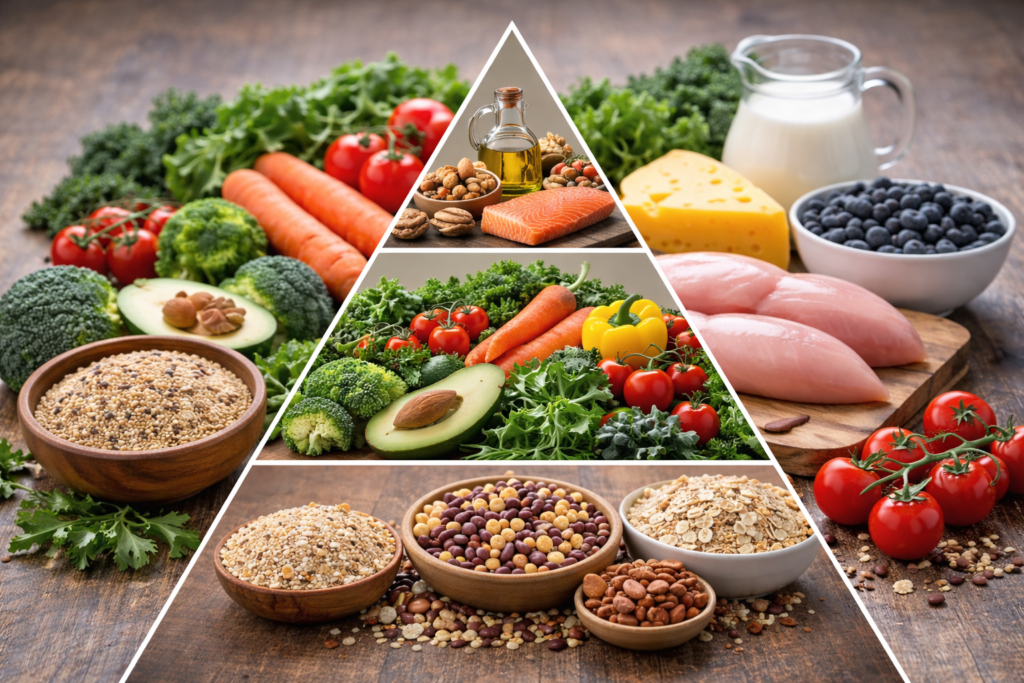
A National Conversation on Changing Nutrition Guidelines
A national briefing hosted by American Community Media brought together leading experts to examine a controversial shift in U.S. nutrition policy: the newly released 2025 to 2030 Dietary Guidelines and its redesigned food pyramid. Moderated by health editor Sunita Sohrabji, the discussion explored whether the updated model represents meaningful progress or a dangerous step backward for public health, cultural food traditions, and environmental sustainability. The new food pyramid, announced earlier this year by the U.S. Department of Health and Human Services alongside the USDA, flips the traditional model by prioritizing protein, full fat dairy, fruits, vegetables, and healthy fats, while placing whole grains at the bottom.
Experts Question the New Pyramid Design

Dr. Christopher Gardner, professor of medicine at Stanford University, opened the briefing by questioning both the design and the message behind the new pyramid. He described the reversal of the traditional structure as more symbolic than scientific, stating, “I actually take the flipping of the pyramid as being a sensationalist approach to say this is so radical that we have flipped the whole pyramid upside down.”
While Gardner acknowledged that many of the written recommendations still align with long-standing nutritional science, he emphasized that the visual presentation could confuse the public. “If you read the whole text it’s clearer than looking at the pyramid itself,” he explained, noting that the placement of whole grains at the bottom may lead people to mistakenly believe they should be consumed less frequently.
Protein Emphasis Raises Concerns
Gardner also raised concerns about one of the most debated changes in the new guidelines: the increased emphasis on protein. “Protein has never been a nutrient of concern in these dietary guidelines,” he said, pointing out that Americans already consume more than enough. He warned that the growing popularity of protein-enhanced products, from snacks to beverages, could be further amplified by the new messaging. “I feel like Americans are going to think maybe all that is justified,” he added, expressing concern that this shift could reinforce unhealthy consumption patterns rather than correct them.
School Meals and Economic Barriers
The conversation also turned to the real-world impact of these guidelines, particularly in school nutrition programs and low-income communities. Gardner highlighted the difficulty schools face in implementing healthier standards due to limited funding and resources. “I’m concerned about prioritizing protein in the meals of our school lunches,” he said, adding that schools have long struggled to provide nutritious meals under tight budgets. “They’ve always been handcuffed by not having enough funding to provide healthy foods for school.” When asked whether parents should take a more active role by sending meals from home, Gardner emphasized the complexity of the issue, noting that many families rely heavily on school meals. “So many of our kids get a huge proportion of their calories from not only school lunch but school breakfast,” he said, stressing that the solution requires more than individual effort.
Policy, Industry, and Responsibility
Dr. Marion Nestle, professor emerita of nutrition and public health at New York University, expanded the discussion by examining the broader systems shaping national dietary policies. She argued that focusing on personal responsibility alone is ineffective and allows larger structural issues to remain unaddressed. “If education was enough, then 40 years of pyramids and plates and whatever would have done the job and they haven’t,” Nestle said.

She explained that current policies place the burden on individuals while avoiding regulatory action. “If the focus is on personal responsibility, then the government doesn’t have to do anything about taxes, labeling, or restrictions on marketing,” she added. Nestle was particularly critical of the emphasis on animal products in the new pyramid, stating, “This pyramid is a eat more meat pyramid and it’s a eat whole fat dairy pyramid,” and warning that such messaging aligns more closely with industry interests than public health priorities.
Access, Inequality, and the Food System
Nestle also addressed the economic and social barriers that make it difficult for many families to follow ideal dietary guidelines. She explained that access to healthy food is often limited by time, income, and available resources. “If you as an individual are going to a grocery store to try to eat healthfully, you are fighting the entire food system on your own,” she said, highlighting how ultra-processed foods dominate the market due to convenience and affordability. Her comments underscored the reality that healthier eating is not simply a matter of choice, but one shaped by systemic inequality.
Environmental Impact and Global Consequences
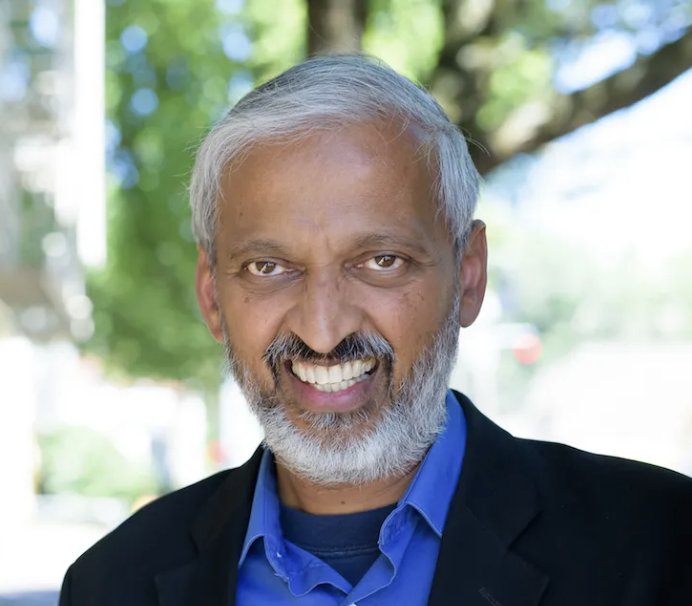
Dr. Sailesh Rao, founder of Climate Healers, brought an environmental perspective to the discussion, arguing that the new guidelines fail to account for the ecological impact of food production. He warned that widespread adoption of the recommendations could have serious environmental consequences. “When 330 million Americans follow these guidelines the environmental consequences would be huge,” Rao said. He pointed to the significant resources required to produce animal-based foods, noting, “Producing one gallon of milk requires 1,000 gallons of water.” Comparing environmental impacts, he added, “Beef generates 60 pounds of greenhouse gas emissions per pound. Lentils less than one pound,” illustrating the stark contrast between animal and plant-based foods.
A Cultural and Community Perspective
Throughout the briefing, journalists raised concerns about how the new guidelines would affect culturally diverse communities, including Latino, Asian, and immigrant populations whose traditional diets may not align with the updated pyramid. Questions also addressed affordability and accessibility, particularly for families already facing financial challenges. Nestle reinforced the link between health outcomes and socioeconomic status, stating, “The people in the United States who eat the healthiest diets are people with money and people with education,” emphasizing the need for policies that address these disparities.
A Defining Moment for the Future of Food
Despite differing viewpoints, the speakers shared a common understanding that the U.S. food system is influenced by a complex mix of science, politics, and economic interests. Gardner summarized the situation by noting, “There’s a lot of really good advice in there, but it’s not very radical,” suggesting that the changes may not lead to meaningful improvements without stronger implementation strategies.
Nestle called for deeper systemic reform, insisting, “You’ve got to change the system,” while Rao emphasized the urgency of action, stating, “This is a decision point. What we do now determines whether our children inherit a habitable world.”
As the new food pyramid begins to shape policies, school programs, and household decisions across the country, the debate continues over its long-term impact. Whether it will lead to healthier communities or deepen existing challenges remains uncertain, but one thing is clear: the conversation around food, health, and sustainability is far from over.
La Nueva Pirámide Alimenticia Genera Debate sobre la Salud, la Cultura y el Futuro de la Alimentación
Una Conversación Nacional sobre los Nuevos Lineamientos Nutricionales
Una conferencia nacional organizada por American Community Media reunió a expertos para analizar un cambio controversial en la política nutricional de Estados Unidos: las Guías Alimentarias 2025 a 2030 y su nueva pirámide alimenticia. Moderado por la editora de salud Sunita Sohrabji, el encuentro exploró si este nuevo modelo representa un avance significativo o un retroceso peligroso para la salud pública, las tradiciones culturales y la sostenibilidad ambiental. La nueva pirámide, anunciada este año por el Departamento de Salud y Servicios Humanos junto con el USDA, invierte el modelo tradicional al priorizar proteínas, lácteos enteros, frutas, verduras y grasas saludables, mientras coloca los granos integrales en la base.
Expertos Cuestionan el Diseño de la Nueva Pirámide
El Dr. Christopher Gardner, profesor de medicina en la Universidad de Stanford, inició la conversación cuestionando tanto el diseño como el mensaje de la nueva pirámide. Describió este cambio como más simbólico que científico. “Yo interpreto el cambio de la pirámide como un enfoque sensacionalista para decir que esto es tan radical que hemos volteado completamente la pirámide,” expresó. Aunque reconoció que muchas recomendaciones escritas siguen alineadas con la ciencia nutricional, señaló que la presentación visual puede generar confusión. “Si lees todo el texto es más claro que ver solo la pirámide,” explicó, destacando que colocar los granos en la base podría hacer pensar erróneamente que deben consumirse menos.
El Enfoque en la Proteína Genera Preocupación
Gardner también expresó preocupación por el aumento en la promoción del consumo de proteína. “La proteína nunca ha sido un nutriente problemático en estas guías,” afirmó, señalando que los estadounidenses ya consumen suficiente. Advirtió que esta nueva narrativa podría reforzar tendencias actuales del mercado. “Siento que los estadounidenses van a pensar que todo eso está justificado,” dijo, refiriéndose a productos enriquecidos con proteína que ya dominan supermercados y tiendas.
Alimentación Escolar y Barreras Económicas
La discusión también abordó el impacto de estas guías en los programas de alimentación escolar y en comunidades de bajos ingresos. Gardner destacó las dificultades que enfrentan las escuelas para implementar cambios debido a la falta de recursos. “Me preocupa priorizar la proteína en las comidas escolares,” señaló, explicando que las escuelas han estado limitadas por presupuestos insuficientes. “Siempre han estado limitadas por no tener suficiente financiamiento para ofrecer alimentos saludables.” Al hablar del rol de los padres, enfatizó que la situación es compleja. “Muchos niños obtienen una gran parte de sus calorías del desayuno y almuerzo escolar,” dijo, indicando que la solución requiere más que esfuerzo individual.
Política, Industria y Responsabilidad
La Dra. Marion Nestle, profesora emérita de nutrición y salud pública en la Universidad de Nueva York, amplió la conversación al analizar los sistemas que influyen en estas políticas. Argumentó que enfocarse únicamente en la responsabilidad individual no es efectivo. “Si la educación fuera suficiente, entonces 40 años de pirámides y guías ya hubieran funcionado y no ha sido así,” afirmó. Explicó que este enfoque permite evitar regulaciones más profundas. “Si todo se basa en responsabilidad personal, entonces el gobierno no tiene que intervenir en impuestos, etiquetado o restricciones de marketing,” agregó. Nestle fue especialmente crítica con el énfasis en productos animales. “Esta pirámide es una pirámide de comer más carne y más lácteos enteros,” dijo, sugiriendo que responde más a intereses de la industria que a la salud pública.
Acceso, Desigualdad y el Sistema Alimentario
Nestle también abordó las barreras económicas y sociales que enfrentan muchas familias. Explicó que el acceso a alimentos saludables depende de factores como tiempo, ingresos y recursos disponibles. “Si una persona intenta alimentarse saludablemente, está luchando contra todo el sistema alimentario por su cuenta,” señaló. Destacó que los alimentos ultraprocesados dominan el mercado por su bajo costo y conveniencia, lo que dificulta cambiar hábitos alimenticios. Sus comentarios resaltaron que la alimentación saludable no es solo una decisión personal, sino una realidad influenciada por desigualdades estructurales.
Impacto Ambiental y Consecuencias Globales
El Dr. Sailesh Rao, fundador de Climate Healers, aportó una perspectiva ambiental, argumentando que las nuevas guías ignoran el impacto ecológico de la producción de alimentos. “Si 330 millones de estadounidenses siguen estas guías, las consecuencias ambientales serían enormes,” afirmó. Señaló el alto consumo de recursos en productos animales. “Producir un galón de leche requiere 1,000 galones de agua,” explicó. Comparando alimentos, agregó: “La carne de res genera 60 libras de emisiones por libra, mientras que las lentejas generan menos de una.” Estas diferencias reflejan el impacto ambiental significativo entre dietas basadas en animales y plantas.
Una Perspectiva Cultural y Comunitaria
Durante la conferencia, periodistas plantearon preocupaciones sobre cómo estas guías afectan a comunidades diversas, incluyendo latinas, asiáticas e inmigrantes, cuyas dietas tradicionales no necesariamente coinciden con la nueva pirámide. También se discutieron temas de accesibilidad y costo. Nestle enfatizó la relación entre salud y nivel socioeconómico. “Las personas que comen más saludable en Estados Unidos son aquellas con dinero y educación,” dijo, subrayando la necesidad de políticas que aborden estas desigualdades.
Un Momento Decisivo para el Futuro de la Alimentación
A pesar de las diferencias entre los panelistas, todos coincidieron en que el sistema alimentario estadounidense está influenciado por una combinación compleja de ciencia, política y economía. Gardner resumió la situación diciendo, “Hay buenos consejos en estas guías, pero no son tan radicales,” sugiriendo que los cambios pueden no ser suficientes. Nestle insistió en la necesidad de reformas estructurales. “Hay que cambiar el sistema,” afirmó. Por su parte, Rao destacó la urgencia del momento. “Este es un punto decisivo. Lo que hagamos ahora determinará si nuestros hijos heredan un mundo habitable.”
A medida que la nueva pirámide comienza a influir en políticas, escuelas y hogares en todo el país, el debate continúa. Si realmente mejorará la salud pública o profundizará los desafíos existentes aún está por verse, pero algo es claro: la conversación sobre alimentación, salud y sostenibilidad apenas comienza.
About The Author




More Stories
Diaspora Politics in a Divided America: Communities, Power, and Global Influence
What Makes Us Laugh in Dark Times
Public Health Experts Warn of Rising Vaccine Hesitancy in the United States