

A new UN assessment counts 136 countries with some multi-hazard early-warning capability, or 70 percent of countries. Small island developing states have the lowest reported coverage.
Released November 11, the WMO–UNDRR report found substantially lower disaster mortality in countries with more comprehensive systems. The agencies stressed that forecasts must lead to timely action through planning, community involvement and financing. The findings were presented during COP31 in Antalya.
Las alertas tempranas llegan a más países, pero persisten brechas
Una nueva evaluación de la ONU registra 136 países con alguna capacidad de alerta temprana ante múltiples amenazas, el 70 por ciento del total. Los pequeños Estados insulares tienen la cobertura más baja.
Publicado el 11 de noviembre, el informe de la OMM y UNDRR encontró menor mortalidad en países con sistemas más completos. Las agencias pidieron convertir los pronósticos en medidas oportunas mediante planificación, participación comunitaria y financiamiento. Los resultados se presentaron en la COP31.
Sources / Fuentes: WMO and UNDRR, November 11
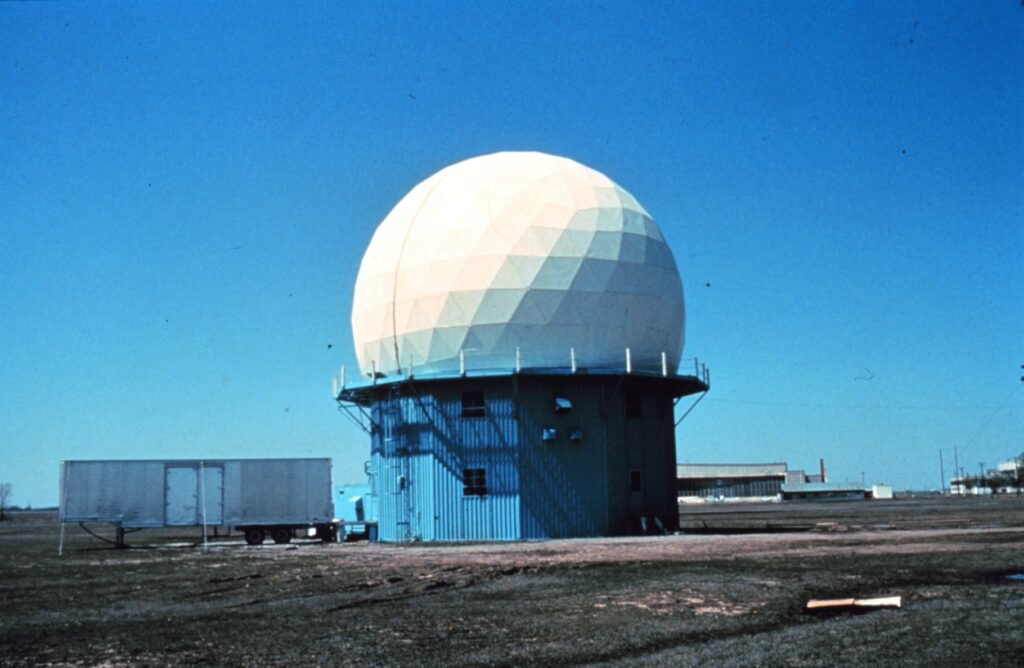
Archive photo / Foto de archivo (1973): NOAA / National Severe Storms Laboratory. Public domain / Dominio público.
About The Author




More Stories
UNICEF warns drones and drought are deepening Sudan’s child crisis
At COP31, Guterres calls for a climate-justice pact
Geneva talks end with refugee returns unresolved