

A tour that went beyond the surface
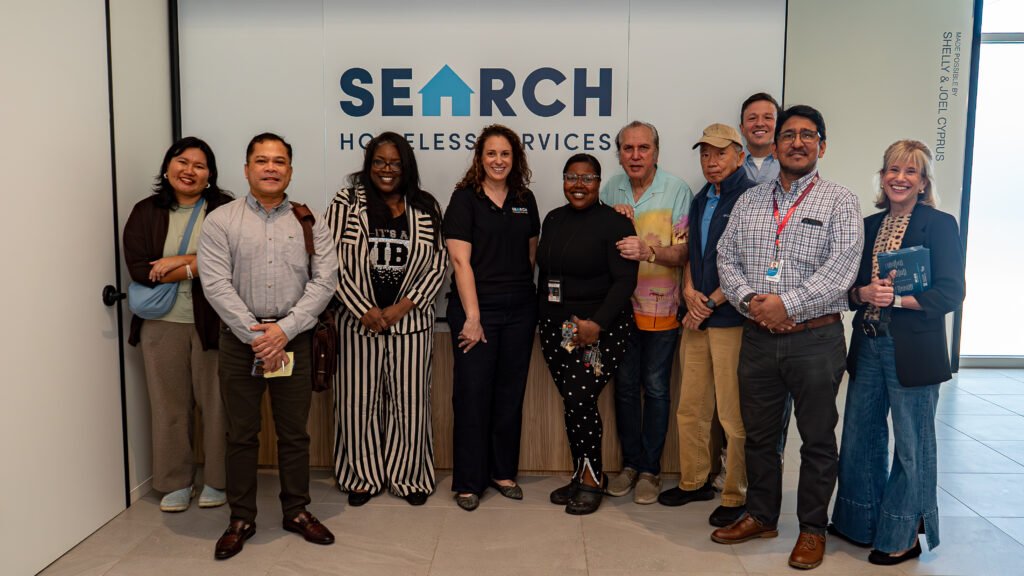
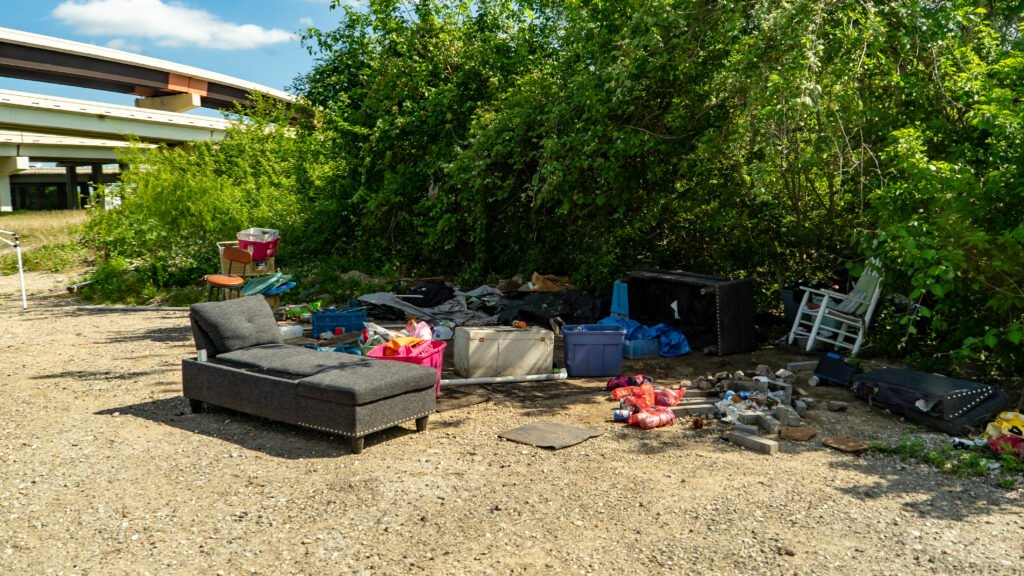
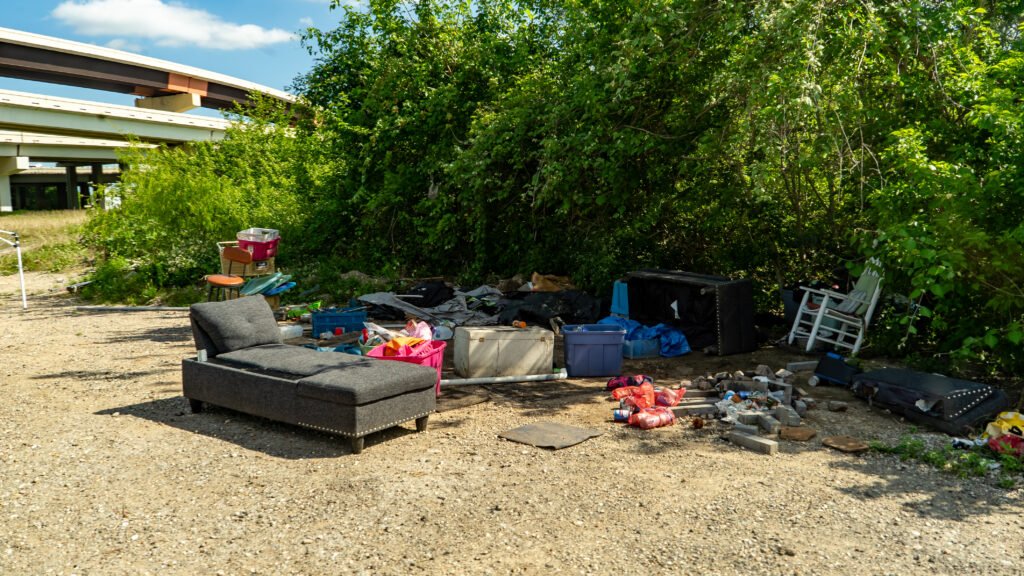
A recent tour with SEARCH gave attendees a closer look at what homelessness in Houston really looks like, and what it takes to help people move from the street into stable housing. The day was not just about seeing encampments or hearing statistics. It was about understanding the system behind the work, the people doing it, and the long process of rebuilding a life after homelessness. Throughout the tour, SEARCH staff stressed that this issue is often misunderstood and that real solutions require much more than short-term charity.
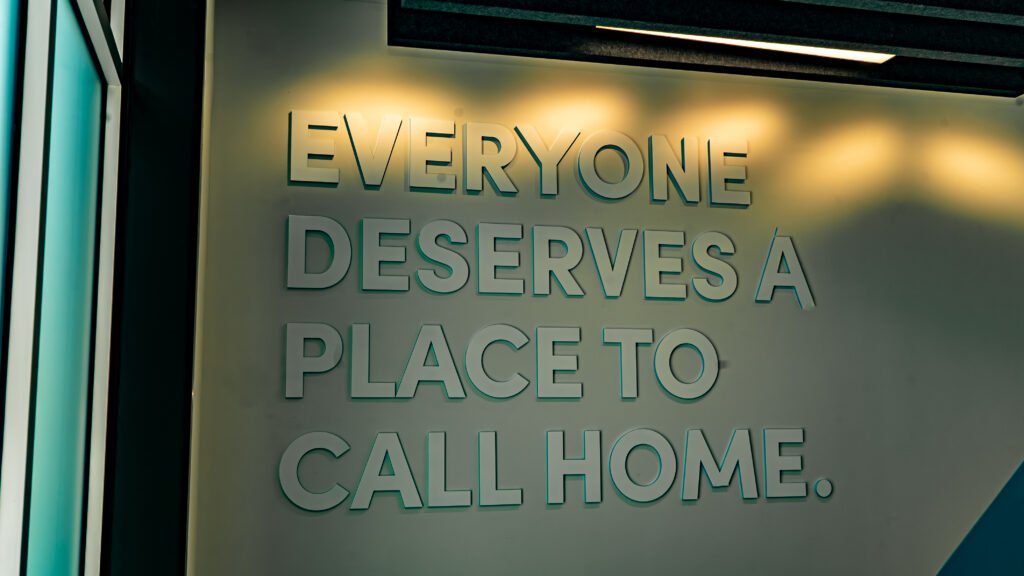
Alexis, one of the tour’s main guides, said from the start that SEARCH wanted people to ask questions and engage deeply with the topic. “I think this issue is really misunderstood,” she said, adding that part of the organization’s goal is to help others better understand “what this issue looks like.” She later summed up SEARCH’s mission in one of the clearest statements of the day: “At the core of what we believe at SEARCH is that everyone deserves a place to call home.”
Housing is the starting point, not the finish line
For SEARCH, housing is not treated as a reward someone must earn after fixing every other part of their life. It is the place where healing and stability can begin. Alexis explained that once someone is safely housed, they are finally in a position to focus on their health, mental health, and basic stability. “Everything we do at SEARCH goes back to trying to get people off the street, into housing, into more stability,” she said.
That philosophy came up again and again during the tour. Staff described how life on the streets can worsen physical and mental health, accelerate aging, and make even the smallest daily tasks more difficult. Alexis noted that many of the people SEARCH serves look older than they are because of the harsh conditions they have endured. She also said that about 60 percent of the people they serve report some form of mental health diagnosis, a number she suggested may actually be higher.
Houston’s progress has come through teamwork
Alexis also made clear that SEARCH is only one part of a much larger community response. “This is how we end homelessness together,” she said, explaining that no single organization, church, government office, or volunteer group can solve the crisis alone. She said Houston has reduced homelessness by more than 60 percent since 2011 and housed more than 30,000 people, not because one agency carried the load, but because the city built a coordinated system that works across sectors.
That point mattered because one of the strongest lessons from the tour was that uncoordinated help, even when well intentioned, can sometimes make the work harder. Alexis said some volunteer efforts can become disorganized or even dangerous when they operate without structure. Phil echoed that concern and urged people to channel their desire to help through organizations already doing the work.
What outreach really looks like in the field
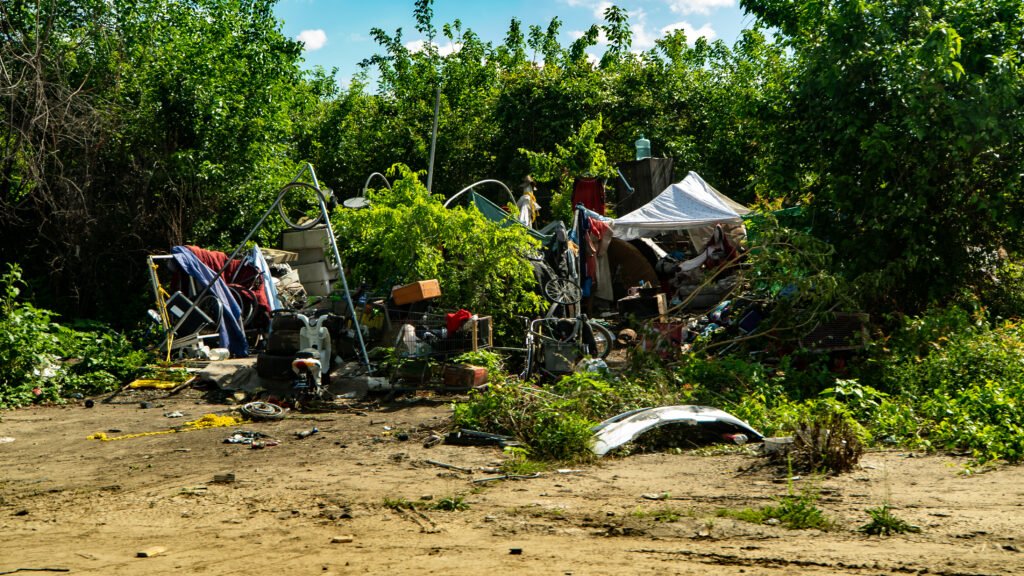
Phil, who works closely with SEARCH’s outreach teams, explained that the public often sees homelessness but rarely sees what happens when it ends. “The tricky part about solving homelessness is that people just sort of get housed and they’re gone,” he said. The purpose of the van tour, he explained, was to “peel back the layers” and show what it actually takes to move someone from street homelessness into housing.
Phil described outreach as patient, repetitive, and deeply relationship-based. SEARCH teams go out to the same areas over and over, building trust with people who may have been failed by systems before. “Someone could tell our team no a hundred times, but if that hundred and first time they say okay, tell me what this is all about, that’s all we’re looking for,” he said.
He and Alexis both stressed that this work is highly specialized. It is not just handing out food or supplies. It is helping people who are deeply entrenched in homelessness, often while navigating trauma, mistrust, mental illness, and years of instability.
Poverty is the force underneath the crisis
One of the strongest moments on the tour came when the conversation turned to why people become homeless in the first place. Alexis pushed back against the idea that homelessness is simply the result of addiction, mental illness, or poor decisions. “It’s poverty. It’s poverty. It’s exactly right,” she said.
She explained that many people who end up homeless have gone through events that are common across society: job loss, divorce, injury, medical emergencies, or a collapse in family support. The difference is that some people have enough money and support to survive those setbacks, while others do not. Alexis also referenced how financially fragile many households are, noting discussion during the tour that many people are only a paycheck or two away from crisis.
How SEARCH is funded
Attendees also asked how SEARCH pays for its work. Alexis said that in a typical year, about 60 to 70 percent of the organization’s funding comes from government sources, largely originating at the federal level and then flowing through other channels. The rest is raised privately through foundations, corporations, individual donors, and fundraising events. She said SEARCH’s budget this year was just under $16 million, with about $5 million of that coming from private fundraising. She also explained that flat federal funding has made the work harder over time because costs rise while many grants do not.
House of Tiny Treasures shows the family side of the mission
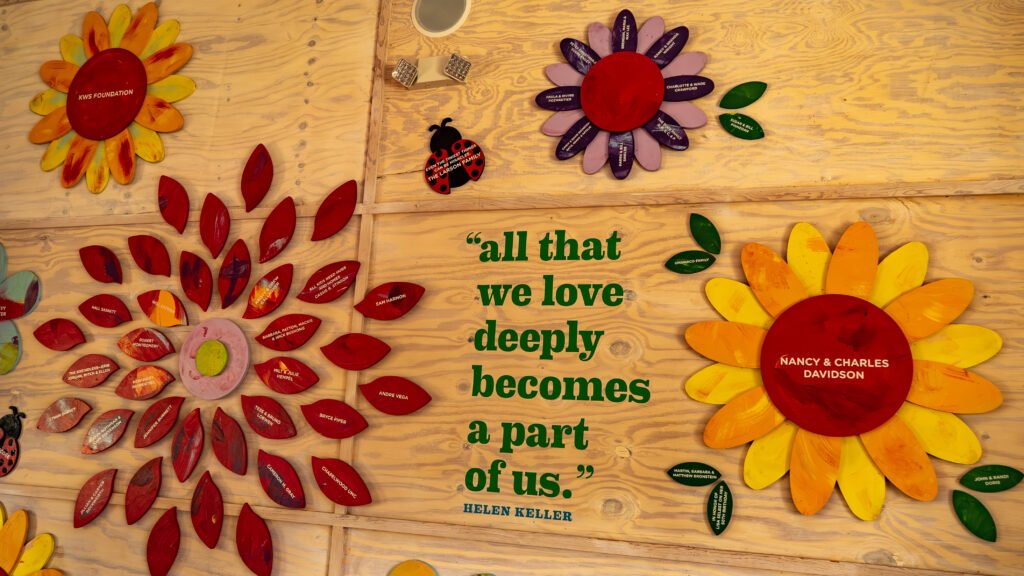
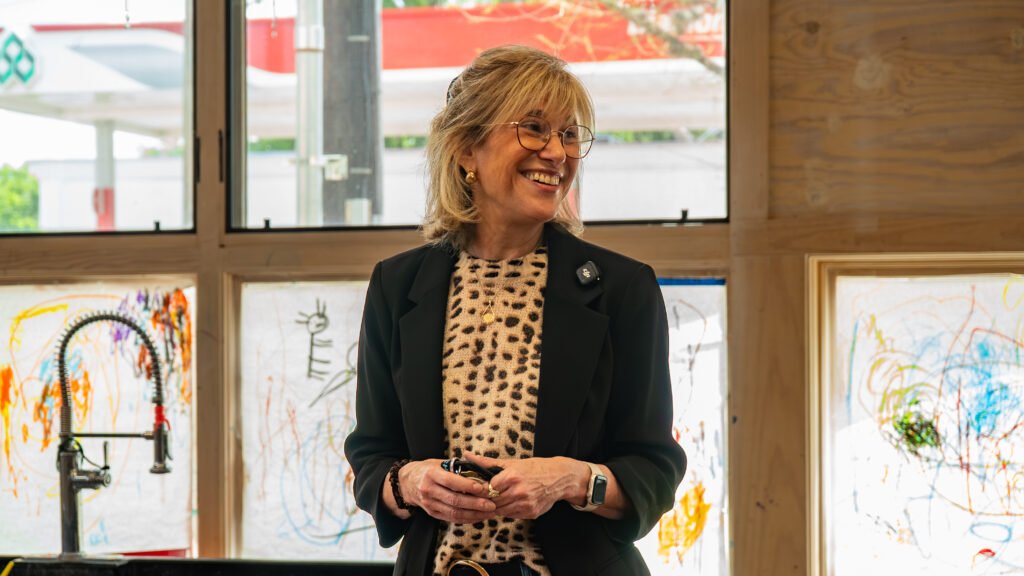
The tour also highlighted that SEARCH’s work is not limited to adults living unsheltered. Alexis pointed to the House of Tiny Treasures, SEARCH’s school for children, as another important part of the organization’s mission. Early in the tour, she explained that the group would need to be especially careful around the children there because of confidentiality. Later, she confirmed that the House of Tiny Treasures has its own team of 18 staff members and is part of SEARCH’s broader programming.
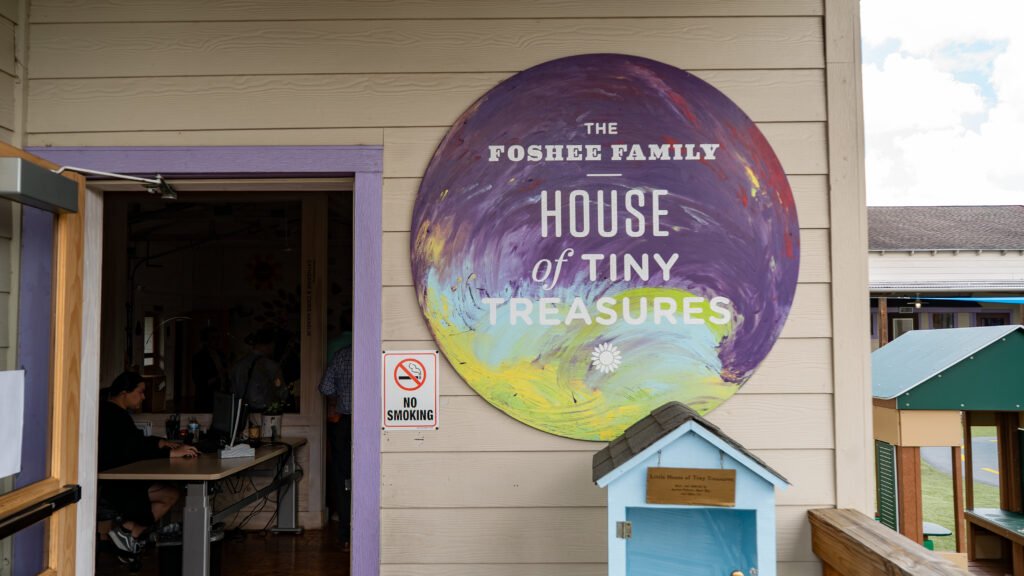
She also explained that the school is part of the larger SEARCH budget and said its budget last year was about $1.7 million. Unlike some other SEARCH programming, government support for the House of Tiny Treasures is limited, covering mainly food programming and a small portion of teacher salaries, which means the school depends heavily on fundraising. Alexis spoke personally about believing in the program so strongly that she enrolled her own children there.
Supportive housing is where rebuilding begins
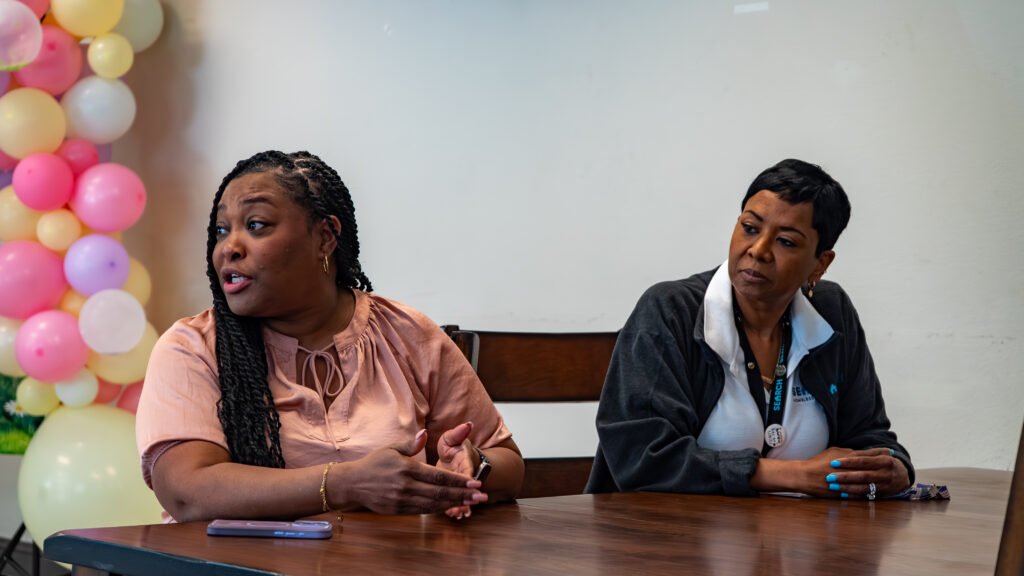
At one housing site, attendees heard from Fortune and Charlotte, who explained what happens after someone leaves the street and enters supportive housing. Fortune said SEARCH manages 110 units there and helps each client move through a “warm handoff” process from outreach into case management and housing support. “The lease is in the client’s name,” she said, underscoring that this is real housing with real responsibility.
Fortune said about 75 percent of the individuals entering these housing programs come in with zero income. SEARCH then works to connect them to employment, Social Security, SNAP benefits, and other sources of support. Charlotte said the work also includes teaching and rebuilding everyday life skills, from banking and healthy relationships to how to use kitchen equipment or maintain an apartment.
A resident’s testimony put a human face on the issue
One of the most powerful moments of the tour came when attendees heard directly from a resident living at the housing site. His name was not clearly identified in the transcript, but his story gave a deeply personal view of what homelessness and recovery can feel like. SEARCH staff had explained beforehand that he had once been a successful salesperson who lost his job and then lost his housing, and that the organization had linked him with support and employment services.
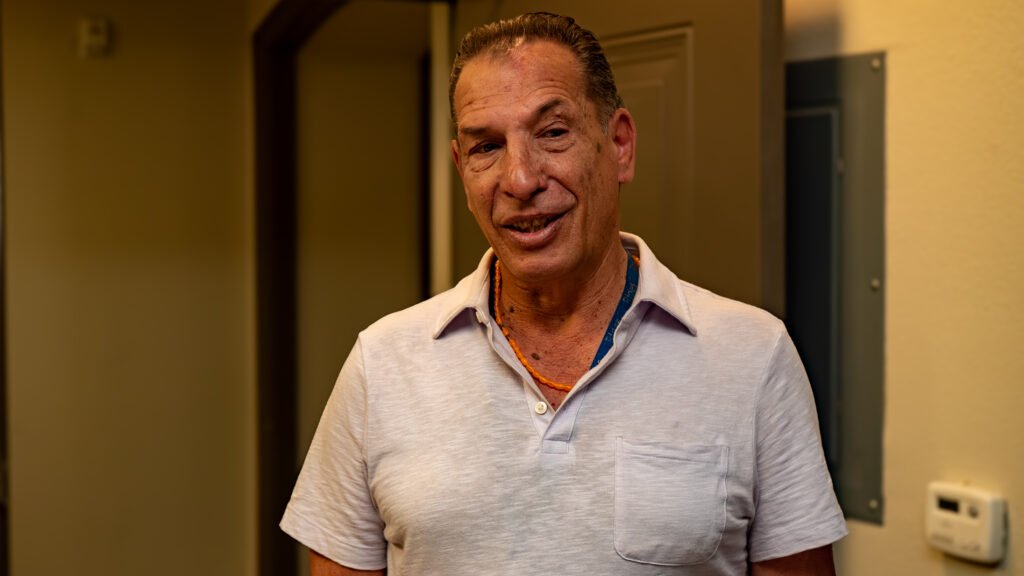
When he spoke, the resident described how quickly life had unraveled. He said he found himself on the streets “trying to find a safe place to stay” and remembered how hard it was to navigate that world as someone who had never experienced it before. “It’s hard on the streets,” he said. “You got to know where to go.” Still, even while speaking honestly about his setbacks, he showed determination. “I believe in myself, and I believe that I’ll get to where I need to go,” he said. He also admitted the emotional toll of recovery, saying, “I got a long way to go,” and later, “I’m just disappointed in myself.” His testimony captured something SEARCH staff had been emphasizing all day: housing can provide safety and a starting point, but rebuilding confidence, routine, and purpose takes time.
The work is hard, but the mission is clear
By the end of the tour, the message from Alexis, Phil, Fortune, Charlotte, and the resident was clear. Homelessness is not a simple problem, and it is not solved by one act of kindness or one temporary intervention. It requires outreach, housing, case management, funding, education, and human patience. SEARCH’s work, as shown throughout the tour, is about moving people from crisis toward stability and giving them a real chance to stay there.
Tour de SEARCH ofrece una mirada más profunda a cómo Houston está combatiendo la falta de vivienda
Un recorrido que fue más allá de la superficie
Un reciente recorrido con SEARCH les dio a los asistentes una mirada más cercana a cómo se vive realmente la falta de vivienda en Houston y a lo que se necesita para ayudar a las personas a pasar de la calle a una vivienda estable. El día no se trató solo de ver campamentos o escuchar estadísticas. Se trató de entender el sistema detrás de este trabajo, a las personas que lo realizan y el largo proceso de reconstruir una vida después de haber vivido sin hogar. A lo largo del recorrido, el personal de SEARCH insistió en que este problema suele ser mal entendido y que las soluciones reales requieren mucho más que actos de caridad a corto plazo.
Alexis, una de las principales guías del recorrido, dijo desde el inicio que SEARCH quería que la gente hiciera preguntas y se involucrara de fondo en el tema. “I think this issue is really misunderstood,” dijo, al agregar que parte de la meta de la organización es ayudar a otros a entender mejor “what this issue looks like.” Más adelante resumió la misión de SEARCH con una de las frases más claras del día: “At the core of what we believe at SEARCH is that everyone deserves a place to call home.”
La vivienda es el punto de partida, no la meta final
Para SEARCH, la vivienda no se trata como una recompensa que alguien debe ganarse después de arreglar todos los demás aspectos de su vida. Es el lugar donde pueden comenzar la sanación y la estabilidad. Alexis explicó que una vez que una persona tiene un lugar seguro donde vivir, por fin puede enfocarse en su salud, su salud mental y su estabilidad básica. “Everything we do at SEARCH goes back to trying to get people off the street, into housing, into more stability,” dijo.
Esa filosofía surgió una y otra vez durante el recorrido. El personal describió cómo la vida en la calle puede empeorar la salud física y mental, acelerar el envejecimiento y hacer más difíciles hasta las tareas más pequeñas del día a día. Alexis señaló que muchas de las personas a las que SEARCH atiende parecen mayores de lo que realmente son debido a las duras condiciones que han vivido. También dijo que alrededor del 60 por ciento de las personas que atienden reportan algún tipo de diagnóstico de salud mental, una cifra que, según ella, probablemente sea aún mayor.
El progreso de Houston ha sido posible gracias al trabajo en conjunto
Alexis también dejó claro que SEARCH es solo una parte de una respuesta comunitaria mucho más amplia. “This is how we end homelessness together,” dijo, al explicar que ninguna organización, iglesia, oficina gubernamental o grupo de voluntarios puede resolver esta crisis por sí solo. Señaló que Houston ha reducido la falta de vivienda en más del 60 por ciento desde 2011 y ha ayudado a alojar a más de 30,000 personas, no porque una sola agencia haya cargado con todo el trabajo, sino porque la ciudad construyó un sistema coordinado que funciona entre distintos sectores.
Ese punto fue importante porque una de las lecciones más fuertes del recorrido fue que la ayuda descoordinada, aunque tenga buenas intenciones, a veces puede dificultar aún más el trabajo. Alexis dijo que algunos esfuerzos voluntarios pueden terminar siendo desorganizados o incluso peligrosos cuando operan sin estructura. Phil reforzó esa preocupación y animó a quienes quieran ayudar a canalizar ese deseo a través de organizaciones que ya realizan este trabajo.
Cómo es realmente el trabajo de alcance en el campo
Phil, quien trabaja de cerca con los equipos de alcance de SEARCH, explicó que el público muchas veces ve la falta de vivienda, pero rara vez ve lo que pasa cuando esta termina. “The tricky part about solving homelessness is that people just sort of get housed and they’re gone,” dijo. Explicó que el propósito del recorrido en camioneta era “peel back the layers” y mostrar lo que realmente se necesita para ayudar a una persona a pasar de la falta de vivienda en la calle a una vivienda.
Phil describió el trabajo de alcance como algo paciente, repetitivo y profundamente basado en la relación humana. Los equipos de SEARCH regresan una y otra vez a las mismas áreas, construyendo confianza con personas que quizás ya han sido defraudadas por sistemas anteriores. “Someone could tell our team no a hundred times, but if that hundred and first time they say okay, tell me what this is all about, that’s all we’re looking for,” dijo.
Tanto él como Alexis subrayaron que este trabajo es altamente especializado. No se trata solo de repartir comida o suministros. Se trata de ayudar a personas profundamente atrapadas en la falta de vivienda, muchas veces mientras enfrentan trauma, desconfianza, enfermedades mentales y años de inestabilidad.
La pobreza es la fuerza que está debajo de la crisis
Uno de los momentos más contundentes del recorrido llegó cuando la conversación giró hacia por qué las personas terminan sin hogar. Alexis rechazó la idea de que la falta de vivienda sea simplemente el resultado de adicciones, enfermedades mentales o malas decisiones. “It’s poverty. It’s poverty. It’s exactly right,” dijo.
Explicó que muchas personas que terminan sin hogar han pasado por situaciones comunes en toda la sociedad: pérdida de empleo, divorcio, lesiones, emergencias médicas o el colapso del apoyo familiar. La diferencia es que algunas personas cuentan con suficiente dinero y apoyo para sobrevivir esos golpes, mientras que otras no. Alexis también hizo referencia a lo frágiles que son financieramente muchos hogares, señalando durante el recorrido que muchas personas están apenas a uno o dos cheques de distancia de una crisis.
Cómo se financia SEARCH
Los asistentes también preguntaron cómo SEARCH paga todo este trabajo. Alexis explicó que en un año típico, entre el 60 y el 70 por ciento del financiamiento de la organización proviene de fondos gubernamentales, en su mayoría originados a nivel federal y luego distribuidos a través de otros canales. El resto se obtiene de manera privada, a través de fundaciones, corporaciones, donantes individuales y eventos de recaudación. Dijo que el presupuesto de SEARCH este año fue de poco menos de 16 millones de dólares, y que cerca de 5 millones de esa cantidad provinieron de recaudación privada. También explicó que el financiamiento federal estancado ha hecho que el trabajo sea más difícil con el tiempo, ya que los costos suben mientras muchas subvenciones no aumentan.
House of Tiny Treasures muestra el lado familiar de la misión
El recorrido también mostró que el trabajo de SEARCH no se limita a adultos que viven a la intemperie. Alexis señaló a House of Tiny Treasures, la escuela infantil de SEARCH, como otra parte importante de la misión de la organización. Al inicio del recorrido explicó que el grupo tendría que ser especialmente cuidadoso con los niños allí debido a la confidencialidad. Más adelante confirmó que House of Tiny Treasures cuenta con su propio equipo de 18 personas y forma parte de la programación general de SEARCH.
También explicó que la escuela forma parte del presupuesto general de SEARCH y dijo que su presupuesto el año pasado fue de aproximadamente 1.7 millones de dólares. A diferencia de otros programas de SEARCH, el apoyo gubernamental para House of Tiny Treasures es limitado y cubre principalmente la alimentación y una pequeña parte de los salarios de los maestros, lo que significa que la escuela depende en gran medida de la recaudación de fondos. Alexis habló de manera personal sobre cuánto cree en el programa, al punto de haber inscrito a sus propios hijos allí.
La vivienda de apoyo es donde comienza la reconstrucción
En uno de los sitios de vivienda, los asistentes escucharon a Fortune y Charlotte, quienes explicaron qué sucede después de que una persona deja la calle e ingresa a una vivienda de apoyo. Fortune dijo que SEARCH administra 110 unidades en ese lugar y ayuda a cada cliente a pasar por un proceso de “warm handoff”, o transición directa, desde el alcance comunitario hacia el manejo de casos y el apoyo de vivienda. “The lease is in the client’s name,” dijo, dejando claro que se trata de vivienda real con responsabilidad real.
Fortune dijo que alrededor del 75 por ciento de las personas que entran a estos programas llegan sin ningún ingreso. Entonces SEARCH trabaja para conectarlas con empleo, Seguro Social, beneficios SNAP y otras formas de apoyo. Charlotte añadió que este trabajo también incluye enseñar y reconstruir habilidades de la vida diaria, desde manejar dinero y relaciones saludables hasta usar los aparatos de la cocina o mantener un apartamento en buenas condiciones.
El testimonio de un residente le puso rostro humano al tema
Uno de los momentos más poderosos del recorrido llegó cuando los asistentes escucharon directamente a un residente que vive en ese sitio de vivienda. Su nombre no quedó claramente identificado en la transcripción, pero su historia ofreció una visión profundamente personal de lo que se siente vivir la falta de vivienda y luego intentar recuperarse. El personal de SEARCH había explicado antes que él alguna vez fue un vendedor exitoso, que perdió su empleo y luego perdió su vivienda, y que la organización lo conectó con apoyo y servicios de empleo.
Cuando habló, el residente describió qué tan rápido se había desmoronado su vida. Dijo que terminó en la calle “trying to find a safe place to stay” y recordó lo difícil que fue moverse en ese mundo para alguien que nunca antes había pasado por eso. “It’s hard on the streets,” dijo. “You got to know where to go.” Aun así, incluso al hablar con honestidad sobre sus tropiezos, mostró determinación. “I believe in myself, and I believe that I’ll get to where I need to go,” dijo. También admitió el peso emocional de la recuperación al decir, “I got a long way to go,” y más adelante, “I’m just disappointed in myself.” Su testimonio captó algo que el personal de SEARCH había repetido durante todo el día: la vivienda puede brindar seguridad y un punto de partida, pero reconstruir la confianza, la rutina y el propósito toma tiempo.
El trabajo es duro, pero la misión es clara
Al final del recorrido, el mensaje de Alexis, Phil, Fortune, Charlotte y del residente fue claro. La falta de vivienda no es un problema simple, y no se resuelve con un solo acto de bondad o una intervención temporal. Requiere alcance comunitario, vivienda, manejo de casos, financiamiento, educación y paciencia humana. El trabajo de SEARCH, como se mostró a lo largo del recorrido, consiste en mover a las personas de la crisis hacia la estabilidad y darles una oportunidad real de permanecer allí.
Puedo también hacerte una versión más pulida para Our Voces, con un tono más natural para publicación y menos pegado al inglés de las citas.
About The Author



More Stories
Houston Text Fest 2026: A Community’s Stories Come Together (Photo Gallery)
Three Days at TEXAS TRIBUNE TribFest 2026: Covering the Questions Shaping Texas (w/ Photo Gallery)
Texas Midterm Elections 2026 What Voters and Journalists Need to Know