

A Community-Driven Solution to Rising Costs
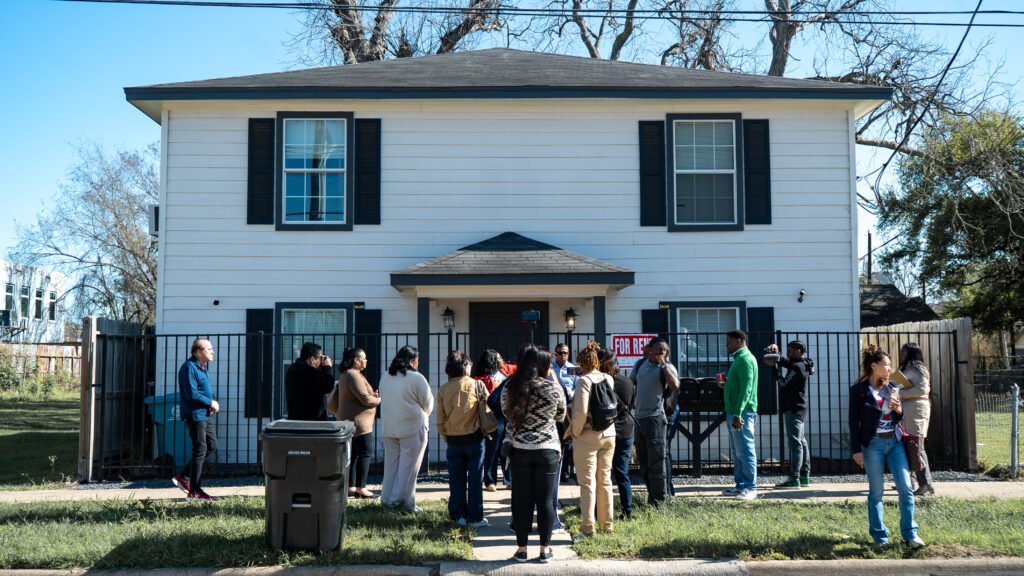
HOUSTON, TX — In a city where rising home prices continue to reshape neighborhoods and push families further out, the Houston Community Land Trust is offering a different path forward. During a recent bus tour through Third Ward, Wayside Village, Acres Homes, and Freedmenstown in Fourth Ward, community leaders, media professionals, and residents were given a firsthand look at how this model is preserving affordability and protecting long-term community stability.
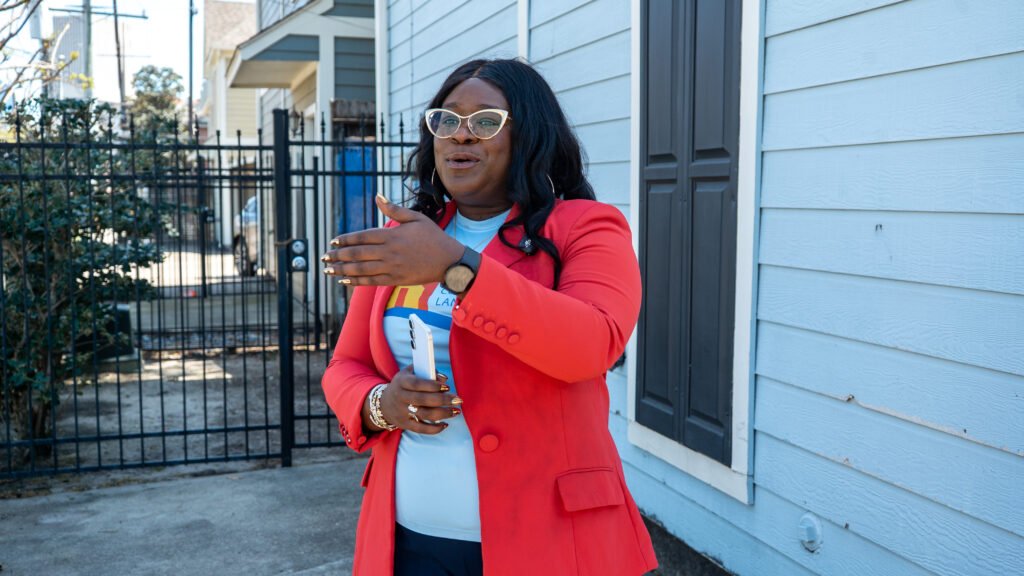
The tour began in Third Ward at the future headquarters of the Houston Community Land Trust, where Executive Director Dr. Ashley Allen welcomed attendees and introduced key members of the organization, including Director of Real Estate Darren Blakemore and board members Josie Anderson and Ron Johnson. Allen set the tone for the day by emphasizing the mission behind the work. “We are here to preserve place and space and price,” she said. “A lot of times affordability is temporary. Homes go back to market rate, and people get pushed out. What we are doing is creating something that stays affordable and keeps people rooted in their community.”
Allen explained that the Community Land Trust model separates land ownership from the home itself, allowing the land to be held in trust by the community while residents own their homes. This ensures long-term affordability and community control. “The purpose of a community land trust is to put land into the governance of the community,” she said. “It is not about one developer or one person making decisions. It is about the people who live there having a voice.”
The Reality of Displacement in Third Ward
As the group traveled through historic Third Ward, Allen pointed out the stark contrast between older homes and newly built townhomes, many priced well above $400,000. She explained how rising property values and taxes are placing pressure on longtime residents.
“What happens to the people who have lived here for years?” she asked. “We are seeing seniors lose their homes because of rising property taxes. We are seeing families pushed out because they cannot keep up with the cost of living.”
Allen described how even small home improvements can lead to increased property taxes, making it difficult for residents to remain in place. “You have people who are afraid to fix their homes because they know the value will go up and they might not be able to afford it anymore,” she said.
During a stop at a Community Land Trust rental property, attendees asked questions about affordability, rent structures, and access to housing. The conversation reflected a broader concern about what truly qualifies as affordable. Allen responded by emphasizing that affordability should be based on individual income rather than market comparisons. “We are not just setting a price and calling it affordable,” she explained. “We are asking what is actually affordable for that person.” She added, “We should not just have housing. We should have quality housing.”
Homeownership That Changes Lives
The tour highlighted powerful stories from homeowners whose lives have been transformed through the program. Ron Johnson, a Community Land Trust homeowner and board member, shared how the program gave him a second chance at homeownership after losing his home during the housing market crash.
“I did not think homeownership was going to be my thing again,” Johnson said. “I was in that renter mindset, paying a lot of money in rent. But this program changed my perspective.” He explained that the opportunity allowed him to return to Sunnyside, a community where he grew up and felt deeply connected. “It was important for me to come back to where I’m from,” he said.
Johnson also shared how the experience shifted his purpose. “Since becoming a homeowner, I joined the board so I can help others make that same transition,” he said. “It has been a lot of work, but it is good work that is happening in our community.”
Board member Josie Anderson emphasized the broader impact of the program. “One of the things that is absolutely beautiful about this program is seeing people who thought they would never be able to own a home actually achieve that,” she said. “It allows people to live out the American dream in a way that is sustainable long term.”
A Model That Blends Communities, Not Divides Them
In Wayside Village, attendees saw a neighborhood where Community Land Trust homes are seamlessly integrated with market-rate homes. Allen explained that this design is intentional and essential to building strong communities.
“You do not know which homes are part of the land trust, and that is the point,” she said. “We are not concentrating poverty. We are creating mixed communities where everyone benefits.”
As participants observed the neighborhood, one attendee reflected on what they saw. “Everybody deserves somewhere safe to stay,” they said. “This shows that different income levels can exist in the same community and still work.”
Allen emphasized that displacement affects entire systems within a neighborhood. “When you push everyone out, you lose the people who make the community work,” she said. “Who is going to work in your stores, your schools, your neighborhoods? Communities need everyone.”
A Story of Faith, Stability, and Generational Impact
In Acres Homes, attendees met Ms. Mitchell, one of the earliest Community Land Trust homeowners. A retired City of Houston employee, she shared her journey with deep faith and determination.
“I prayed and asked God for a home,” she said. “They told me I could not afford one, but I believed something would be made for me.” Through the program, she was able to purchase a home within her means.
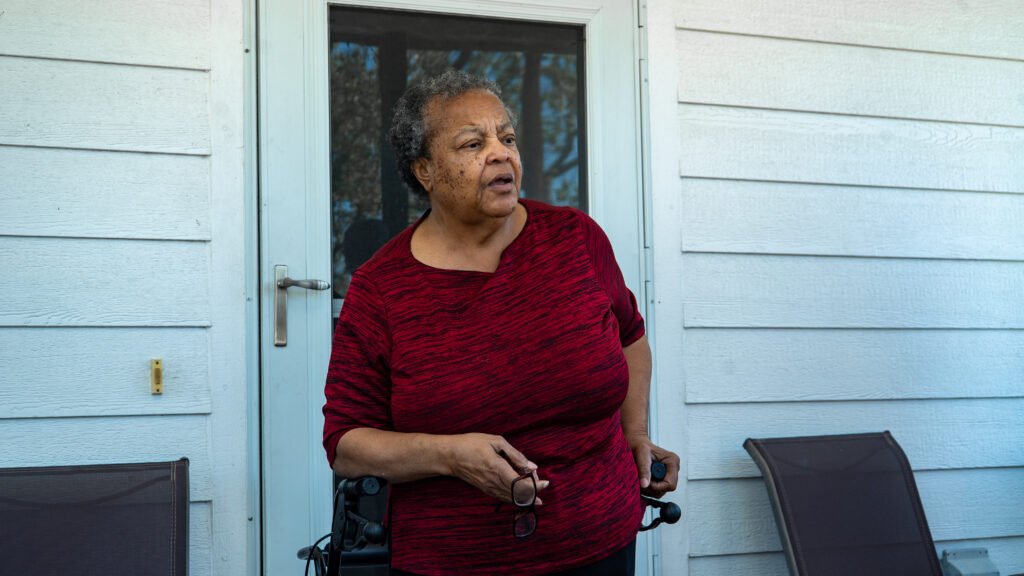
“When I got approved, I was so excited,” she said. “I could see families coming into homes like this. I could see generations of children growing up, going to school, and having stability.”
Mitchell also spoke about the financial education she received through the program. “They taught me how to manage my money and how to save,” she said. “Things I thought were small made a big difference.” Her experience has inspired others in her community. “If it could happen for me, it can happen for someone else,” she said.
Preserving History in Freedmenstown
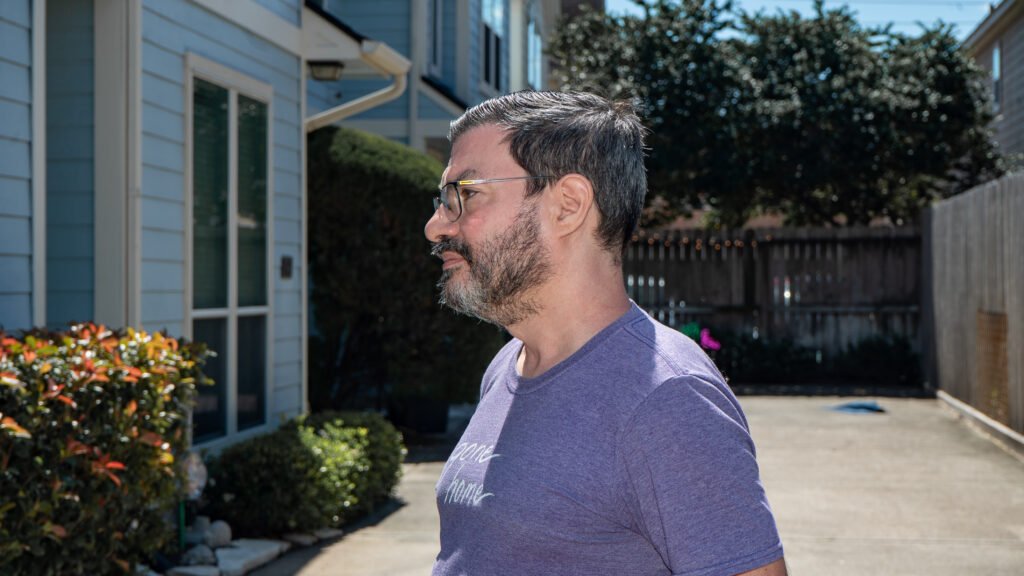
The final stop of the tour brought attendees to Freedmenstown in Fourth Ward, one of Houston’s most historically significant Black communities. There, they met Andrew, a homeowner and board member whose experience reflected the ongoing challenges of displacement in rapidly developing neighborhoods.
As development continues to transform Freedmenstown, Andrew represents residents who have made the decision to stay rooted despite increasing costs and pressure to sell. His story highlighted the importance of programs like the Community Land Trust in preserving both housing affordability and cultural history.
His presence reinforced a central message of the tour: without long-term affordability solutions, communities with deep historical and cultural significance risk losing the very people who built them.
How to Get Involved and Apply
As the tour concluded, one message remained clear: solutions like the Community Land Trust are not only possible, they are already working. Dr. Allen encouraged attendees and the broader community to spread awareness and help connect more families to these opportunities.
“We need to meet people where they are,” she said. “In churches, in communities, and online. People need to know this exists.”
Those interested in learning more about the Houston Community Land Trust, applying for programs, or attending informational sessions are encouraged to connect through community outreach efforts and events. The organization continues to expand across Houston with a clear mission to keep families rooted and communities strong.
“This is about more than housing,” Allen said. “This is about community.”
Recorrido del Houston Community Land Trust Presenta una Nueva Visión para la Vivienda Asequible
Una Solución Impulsada por la Comunidad ante el Aumento de Costos
HOUSTON, TX — En una ciudad donde el aumento de los precios de vivienda continúa transformando vecindarios y desplazando a las familias hacia las afueras, el Houston Community Land Trust está ofreciendo un camino diferente. Durante un reciente recorrido en autobús por Third Ward, Wayside Village, Acres Homes y Freedmenstown en Fourth Ward, líderes comunitarios, profesionales de los medios y residentes pudieron ver de primera mano cómo este modelo está preservando la asequibilidad y protegiendo la estabilidad a largo plazo.
El recorrido comenzó en Third Ward, en la futura sede del Houston Community Land Trust, donde la directora ejecutiva, la Dra. Ashley Allen, dio la bienvenida a los asistentes e introdujo a miembros clave de la organización, incluyendo al Director de Bienes Raíces Darren Blakemore y a los miembros de la junta Josie Anderson y Ron Johnson. Allen estableció el enfoque del día destacando la misión del programa. “Estamos aquí para preservar el lugar, el espacio y el precio,” expresó. “Muchas veces la asequibilidad es temporal. Las viviendas regresan al precio del mercado y las personas son desplazadas. Lo que estamos haciendo es crear algo que se mantenga asequible y permita que las personas permanezcan en su comunidad.”
Allen explicó que el modelo del Community Land Trust separa la propiedad del terreno de la vivienda, permitiendo que el terreno sea administrado por la comunidad mientras los residentes son dueños de sus hogares. Esto asegura que la vivienda se mantenga accesible a largo plazo. “El propósito de un Community Land Trust es poner la tierra bajo la gobernanza de la comunidad,” explicó. “No se trata de que un desarrollador o una sola persona tome decisiones, sino de que las personas que viven ahí tengan voz.”
La Realidad del Desplazamiento en Third Ward
Durante el recorrido por el histórico vecindario de Third Ward, Allen señaló el contraste entre viviendas tradicionales y nuevas construcciones, muchas con precios superiores a los 400,000 dólares. Explicó cómo el aumento en el valor de las propiedades y los impuestos está afectando a los residentes de larga trayectoria.
“¿Qué pasa con las personas que han vivido aquí por años?” cuestionó. “Estamos viendo a personas mayores perder sus hogares por el aumento de impuestos, y a familias siendo desplazadas porque ya no pueden costear vivir aquí.”
Allen también explicó que incluso mejoras pequeñas en una vivienda pueden provocar aumentos en los impuestos que hacen imposible que los propietarios permanezcan en sus hogares. “Hay personas que tienen miedo de arreglar sus casas porque saben que el valor subirá y después no podrán pagar,” dijo.
Durante una parada en una propiedad de renta del programa, los asistentes participaron activamente con preguntas sobre cómo funciona la asequibilidad, los precios de renta y el acceso a la vivienda. Estas conversaciones reflejaron una preocupación común sobre lo que realmente significa que una vivienda sea “asequible”. Allen respondió enfatizando que la asequibilidad debe basarse en el ingreso de cada persona. “No se trata de poner un precio y llamarlo asequible,” explicó. “Se trata de entender qué es realmente accesible para cada individuo.” También agregó: “No solo se trata de tener vivienda. Se trata de tener vivienda de calidad.”
La Vivienda que Transforma Vidas
El recorrido incluyó testimonios de propietarios cuyas vidas han sido transformadas por el programa. Ron Johnson, propietario de vivienda dentro del Community Land Trust y miembro de la junta, compartió cómo el programa le dio una segunda oportunidad después de haber perdido su hogar durante la crisis del mercado.
“No pensé que volvería a ser propietario,” expresó Johnson. “Estaba acostumbrado a rentar y pagar mucho dinero cada mes. Este programa cambió mi perspectiva.” Explicó que esta oportunidad le permitió regresar a Sunnyside, la comunidad donde creció. “Era importante para mí volver a donde vengo,” dijo.
Johnson también habló sobre cómo esta experiencia cambió su propósito. “Después de convertirme en propietario, me uní a la junta para ayudar a otros a lograr lo mismo,” señaló. “Es mucho trabajo, pero es un buen trabajo para nuestra comunidad.”
Por su parte, Josie Anderson destacó el impacto del programa en las familias. “Una de las cosas más hermosas de este programa es ver a personas que pensaban que nunca podrían tener una casa lograrlo,” dijo. “Les permite alcanzar el sueño americano de una manera sostenible.”
Un Modelo que Une Comunidades
En Wayside Village, los asistentes observaron cómo las viviendas del programa están completamente integradas con otras viviendas del mercado sin distinción visible. Allen explicó que esto es intencional.
“No se puede identificar cuáles casas forman parte del programa, y ese es el objetivo,” dijo. “No estamos concentrando pobreza. Estamos creando comunidades mixtas donde todos se benefician.”
Uno de los asistentes expresó su reacción al ver el vecindario. “Todos merecen un lugar seguro donde vivir,” comentó. “Esto demuestra que diferentes niveles de ingreso pueden convivir en una misma comunidad.”
Allen enfatizó que el desplazamiento afecta a toda la comunidad. “Cuando desplazas a todos, pierdes a las personas que hacen funcionar el vecindario,” dijo. “¿Quién va a trabajar en las tiendas, en las escuelas? Las comunidades necesitan a todos.”
Una Historia de Fe, Estabilidad y Futuro
En Acres Homes, los asistentes conocieron a la señora Mitchell, una de las primeras propietarias del programa. Su historia reflejó el impacto humano del Community Land Trust. “Yo le pedí a Dios una casa,” compartió. “Me dijeron que no podía, pero yo creí.”
A través del programa, logró comprar su hogar dentro de sus posibilidades económicas. “Cuando me aprobaron, estaba llena de emoción,” dijo. “Podía ver generaciones creciendo en hogares como este.”
También habló sobre la educación financiera que recibió. “Aprendí a manejar mi dinero y a ahorrar,” explicó. “Cosas pequeñas hicieron una gran diferencia.” Su experiencia ha inspirado a otros en su comunidad. “Si pudo pasar conmigo, puede pasar con alguien más,” afirmó.
Preservando la Historia en Freedmenstown
La última parada del recorrido llevó a los asistentes a Freedmenstown en Fourth Ward, una de las comunidades afroamericanas más históricas de Houston. Allí conocieron a Andrew, propietario de vivienda y miembro de la junta, cuya experiencia reflejó los desafíos actuales del desarrollo urbano.
A medida que el crecimiento continúa transformando el área, Andrew representa a residentes que han decidido mantenerse firmes en su comunidad a pesar del aumento en costos y la presión para vender. Su historia destacó la importancia de programas como el Community Land Trust para preservar no solo la asequibilidad, sino también la identidad cultural e histórica de estos vecindarios.
Su presencia reforzó uno de los mensajes más importantes del recorrido: sin soluciones de asequibilidad a largo plazo, comunidades con profundo valor histórico corren el riesgo de perder a las personas que las construyeron.
Cómo Informarse y Participar
Al finalizar el recorrido, el mensaje fue claro: soluciones como el Community Land Trust no solo son posibles, ya están funcionando. La Dra. Allen invitó a la comunidad a compartir la información y ayudar a conectar a más familias con estas oportunidades.
“Tenemos que llevar esta información a donde está la gente,” dijo. “A las iglesias, a las comunidades y a las redes sociales.”
Las personas interesadas en conocer más, aplicar a los programas o asistir a sesiones informativas pueden conectarse a través de las actividades comunitarias del Houston Community Land Trust. La organización continúa creciendo con una misión clara de mantener a las familias en sus comunidades.
“No se trata solo de vivienda,” concluyó Allen. “Se trata de comunidad.”
About The Author




More Stories
Latino Voters Head Into the 2026 Midterms Focused on Cost of Living and Results
Super El Niño 2026 Could Bring Major Weather Impacts Across California and the United States
Houston Disaster Preparedness Must Begin Before the Next Storm