

Ethnic Media Reporters Question Candidate on Immigration, Health Care and Affordability
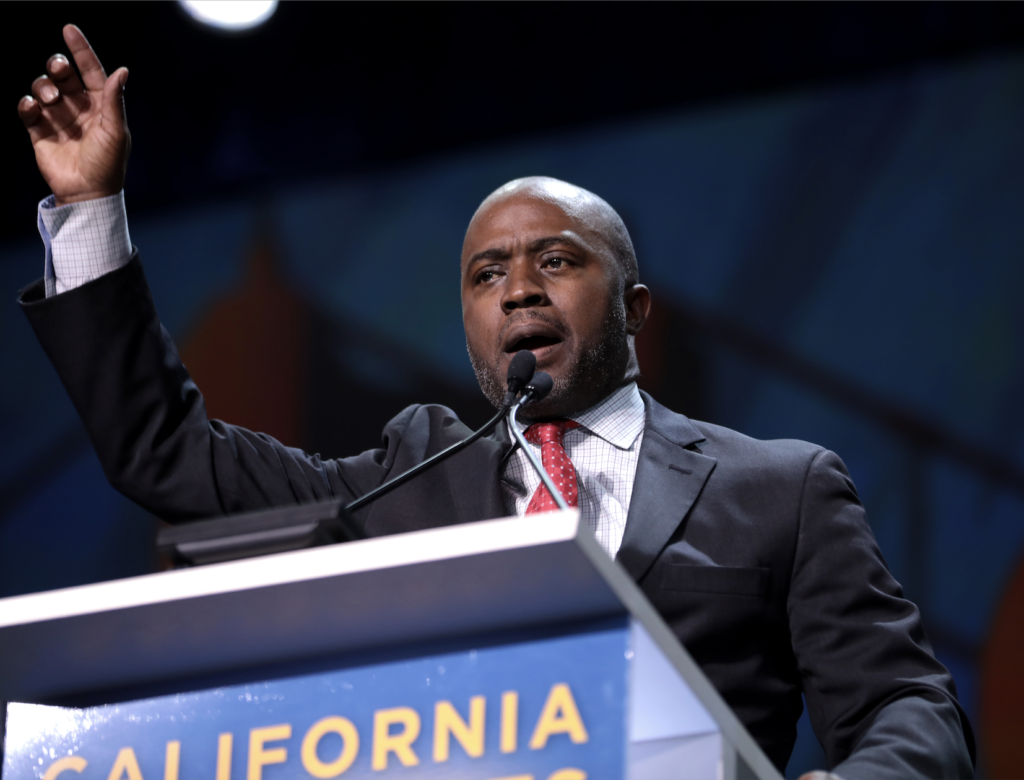
American Community Media opened its California Gubernatorial Race Series on April 30 with a virtual interview featuring Tony Thurmond, California Superintendent of Public Instruction and Democratic candidate for California governor. The briefing was moderated by Pilar Marrero, associate editor with American Community Media, and gave ethnic and community media reporters a direct chance to question a candidate on issues affecting their audiences.
Marrero opened the session by explaining that the series was created to give “community and ethnic media reporters direct access to candidates on key issues affecting the communities they serve.” The official invitation listed the main topics as immigration, health care and affordability, followed by live questions from reporters. Election Day for the California governor’s race is June 2, 2026.
Thurmond Connects Policy to His Personal Story
Thurmond began by framing his campaign around housing, jobs, health care and relief for working families. “I believe that a better California is possible and that we have to build it together,” he said. He told reporters his plan includes building two million housing units, creating access to good-paying jobs, supporting single-payer health care and taxing billionaires to provide a tax credit for working and middle-class Californians.
Thurmond’s biography says his mother, Cecelia, was an immigrant from Panama and a classroom teacher who taught him the importance of education. After she died when he was six, Thurmond and his brother were raised by a cousin and experienced poverty, food insecurity and public assistance. His bio notes that he later became a social worker, served on the West Contra Costa School Board, Richmond City Council and California State Assembly, and was elected California’s 28th Superintendent of Public Instruction in 2018 before being re-elected in 2022.
During the briefing, Thurmond said, “I got an education. It changed my life.” He described that background as central to why he is running for governor.
Immigration: Abolishing ICE and Protecting Students
Marrero first asked Thurmond whether he supports abolishing Immigration and Customs Enforcement. Thurmond answered directly. “I was the first candidate to call for abolishing ICE,” he said.
He connected his position to his family history as the son and grandson of immigrants. “My mother was born in Panama. My grandmother was born as San And Colombia. My grandfather in Jamaica,” he said, adding that immigrants come to the United States wanting “to work, pay taxes, and live the American dream.”
Thurmond said that as governor he would work with Congress to abolish ICE and create a better system. He also said he would create a pathway to citizenship and restore health care to undocumented immigrants because “it’s the right thing to do.”
Sunita Sohrabji asked how he would respond to states considering laws to ban undocumented children from public education. Thurmond said, “My read of the Constitution is that it guarantees the right to an education for all children, including undocumented children.”
He said California school districts must admit undocumented students and protect their information. “We should never give any information about any of our nearly six million students to ICE,” he said.
Reporters Raise Concerns About Detention Centers
Alfonso Sierra asked about GEO reopening the Central Valley Annex in McFarland and the number of detention centers in Kern County. Thurmond said he wrote original legislation to ban for-profit prisons in California and criticized private prison companies for profiting from immigration enforcement.
“I think that this is the most reckless immigration policy that we’ve ever seen,” Thurmond said. He said he is sponsoring legislation that would impose a 50 percent tax on any company operating an ICE detention center. “We have to hit them in their wallet,” he said.
Henrietta Burroughs asked about creating a pathway to citizenship under a federal administration she described as hostile to it. Thurmond said immigration policy is harming the economy in both blue and red states, especially in agriculture, hospitality and construction. He said undocumented immigrants contribute “billions into social security” and taxes even though they cannot receive many benefits.
Health Care: Support for Single-Payer System
Marrero then asked how Thurmond would protect health care access for low-income and vulnerable Californians. Thurmond said, “I fully support a single-payer healthcare system.”
He shared that his brother died at age 35 after losing his job and health insurance before developing a rare liver disorder. “No person should lose their life simply because they don’t have health insurance,” he said.
Thurmond criticized federal cuts tied to what he called “the big ugly bill,” saying they are kicking people off Medi-Cal and raising Affordable Care Act premiums. He said California must build a system that places “the emphasis on patients over profits.”
Housing, Rent Control and the Cost of Living
Affordability was one of the strongest themes of the interview. Thurmond said he supports taxing people with more than $150 million in assets and using those funds to provide monthly relief to working families.
“The governor and the state can’t just make prices go down,” he said, but they can provide immediate tax relief and build more housing supply. He said California has not invested enough in affordable housing and supports a $10 billion bond to help build more units.
Thurmond also said one of his main goals is to build two million housing units by 2030, largely using surplus school district property. He said those homes could help teachers, classified staff, nurses, public safety workers and city and county employees.
Manuel Marquina of La Voz Bilingual Newspaper asked whether Thurmond supports expanding rent control statewide. “I do,” Thurmond said. He said renters must be protected from price gouging, while small property owners should be allowed reasonable increases to maintain safe housing.
Education, Business and Staying in the Race
Jorge Mas of Latino Sentinel asked about Thurmond’s Pay It Forward college proposal. Thurmond said California students carry too much debt and should be able to defer tuition until after graduation. “If we can reduce the debt that our students have to get an education, they can put that money towards something else,” he said.
Cora Oriel asked how he would keep or bring back businesses. Thurmond said he supports reducing paperwork and permitting barriers, providing low or no-interest loans to small businesses, and bringing back redevelopment agencies. “Small business is the backbone of our economy,” he said.
Araceli Martinez of Excelsior California asked about low polling and calls for him to leave the race. Thurmond rejected the idea. “I just don’t think that polls elect anyone. People do,” he said. “I’m in it to the end. And I’m running to win.”
As the session ended, Thurmond thanked ethnic media reporters for reaching communities often left out of major debates. “Thank you for giving me an opportunity to speak to your followers, your listeners, and your readers,” he said. “I want to be the best governor that California has had who fights for working people, not for billionaires.”
Tony Thurmond Presenta Sus Prioridades en la Carrera por la Gobernación Durante una Sesión de ACoM
Reporteros de Medios Étnicos Preguntan al Candidato Sobre Inmigración, Salud y Costo de Vida
American Community Media abrió su Serie de la Carrera por la Gobernación de California el 30 de abril con una entrevista virtual con Tony Thurmond, Superintendente de Instrucción Pública de California y candidato demócrata a gobernador. La sesión fue moderada por Pilar Marrero, editora asociada de American Community Media, y dio a reporteros de medios étnicos y comunitarios una oportunidad directa para cuestionar a un candidato sobre los temas que afectan a sus audiencias.
Marrero abrió la sesión explicando que la serie fue creada para dar a “reporteros de medios comunitarios y étnicos acceso directo a los candidatos sobre temas clave que afectan a las comunidades que sirven”. La invitación oficial indicó que los temas principales serían inmigración, salud y asequibilidad, seguidos por preguntas en vivo de los reporteros. El día de las elecciones para la carrera por la gobernación de California será el 2 de junio de 2026.
Thurmond Conecta sus Propuestas con su Historia Personal
Thurmond comenzó enmarcando su campaña alrededor de la vivienda, los empleos, la salud y el alivio económico para las familias trabajadoras. “Creo que una California mejor es posible y que tenemos que construirla juntos”, dijo. Explicó a los reporteros que su plan incluye construir dos millones de viviendas, crear acceso a empleos bien pagados, apoyar un sistema de salud de pagador único y cobrar impuestos a los multimillonarios para ofrecer un crédito fiscal a californianos trabajadores y de clase media.
La biografía de Thurmond señala que su madre, Cecelia, fue una inmigrante de Panamá y maestra de escuela que le enseñó la importancia de la educación. Después de que ella murió cuando él tenía seis años, Thurmond y su hermano fueron criados por una prima y vivieron pobreza, inseguridad alimentaria y dependencia de asistencia pública. Su biografía también indica que más tarde se convirtió en trabajador social, sirvió en la Junta Escolar de West Contra Costa, en el Concejo Municipal de Richmond y en la Asamblea Estatal de California, y fue elegido como el Superintendente de Instrucción Pública número 28 de California en 2018 antes de ser reelegido en 2022.
Durante la sesión, Thurmond dijo: “Recibí una educación. Cambió mi vida”. Describió esa experiencia como una parte central de su razón para postularse a gobernador.
Inmigración: Abolir ICE y Proteger a los Estudiantes
Marrero primero preguntó a Thurmond si apoya abolir el Servicio de Inmigración y Control de Aduanas, conocido como ICE. Thurmond respondió directamente. “Fui el primer candidato en pedir abolir ICE”, dijo.
Conectó su postura con su historia familiar como hijo y nieto de inmigrantes. “Mi madre nació en Panamá. Mi abuela nació en San Andrés, Colombia. Mi abuelo en Jamaica”, dijo, agregando que los inmigrantes vienen a Estados Unidos queriendo “trabajar, pagar impuestos y vivir el sueño americano”.
Thurmond dijo que como gobernador trabajaría con el Congreso para abolir ICE y crear un sistema mejor. También dijo que crearía un camino a la ciudadanía y restauraría la atención médica para inmigrantes indocumentados porque “es lo correcto”.
Sunita Sohrabji preguntó cómo respondería a los estados que están considerando leyes para prohibir que los niños indocumentados reciban educación pública. Thurmond dijo: “Mi lectura de la Constitución es que garantiza el derecho a una educación para todos los niños, incluidos los niños indocumentados”.
Dijo que los distritos escolares de California deben admitir a estudiantes indocumentados y proteger su información. “Nunca debemos entregar ninguna información sobre ninguno de nuestros casi seis millones de estudiantes a ICE”, dijo.
Reporteros Plantean Preocupaciones Sobre Centros de Detención
Alfonso Sierra preguntó sobre GEO reabriendo el Central Valley Annex en McFarland y sobre el número de centros de detención en el condado de Kern. Thurmond dijo que escribió la legislación original para prohibir las prisiones con fines de lucro en California y criticó a las compañías privadas de prisiones por beneficiarse de la aplicación de políticas migratorias.
“Creo que esta es la política migratoria más imprudente que hemos visto”, dijo Thurmond. Señaló que está patrocinando legislación que impondría un impuesto del 50 por ciento a cualquier compañía que opere un centro de detención de ICE. “Tenemos que golpearlos en el bolsillo”, dijo.
Henrietta Burroughs preguntó sobre crear un camino a la ciudadanía bajo una administración federal que describió como hostil a esa idea. Thurmond dijo que la política migratoria está dañando la economía tanto en estados azules como en estados rojos, especialmente en agricultura, hospitalidad y construcción. Dijo que los inmigrantes indocumentados contribuyen “miles de millones al Seguro Social” y a los impuestos, aunque no pueden recibir muchos beneficios.
Salud: Apoyo a un Sistema de Pagador Único
Luego Marrero preguntó cómo Thurmond protegería el acceso a la salud para californianos de bajos ingresos y comunidades vulnerables. Thurmond dijo: “Apoyo completamente un sistema de salud de pagador único”.
Compartió que su hermano murió a los 35 años después de perder su trabajo y su seguro médico antes de desarrollar un trastorno raro del hígado. “Ninguna persona debería perder la vida simplemente porque no tiene seguro médico”, dijo.
Thurmond criticó los recortes federales vinculados a lo que llamó “el gran proyecto de ley feo”, diciendo que están sacando a personas de Medi-Cal y elevando las primas de la Ley de Cuidado de Salud Asequible. Dijo que California debe construir un sistema que ponga “el énfasis en los pacientes por encima de las ganancias”.
Vivienda, Control de Rentas y Costo de Vida
La asequibilidad fue uno de los temas más fuertes de la entrevista. Thurmond dijo que apoya cobrar impuestos a personas con más de 150 millones de dólares en activos y usar esos fondos para brindar alivio mensual a las familias trabajadoras.
“El gobernador y el estado no pueden simplemente hacer que los precios bajen”, dijo, pero pueden dar alivio fiscal inmediato y construir más viviendas. Dijo que California no ha invertido lo suficiente en vivienda asequible y apoya un bono de 10 mil millones de dólares para ayudar a construir más unidades.
Thurmond también dijo que uno de sus principales objetivos es construir dos millones de viviendas para 2030, en gran parte usando terrenos excedentes de los distritos escolares. Dijo que esas viviendas podrían ayudar a maestros, personal escolar, enfermeras, trabajadores de seguridad pública y empleados de ciudades y condados.
Manuel Marquina de La Voz Bilingual Newspaper preguntó si Thurmond apoya expandir el control de rentas a nivel estatal. “Sí”, respondió Thurmond. Dijo que los inquilinos deben ser protegidos contra aumentos abusivos, mientras que pequeños propietarios deben poder hacer aumentos razonables para mantener viviendas seguras.
Educación, Negocios y Permanecer en la Carrera
Jorge Mas de Latino Sentinel preguntó sobre la propuesta universitaria Pay It Forward de Thurmond. Thurmond dijo que los estudiantes de California cargan demasiada deuda y deberían poder diferir la matrícula hasta después de graduarse. “Si podemos reducir la deuda que nuestros estudiantes tienen para obtener una educación, pueden usar ese dinero para otra cosa”, dijo.
Cora Oriel preguntó cómo mantendría o traería de regreso negocios a California. Thurmond dijo que apoya reducir el papeleo y las barreras de permisos, ofrecer préstamos de bajo o cero interés a pequeñas empresas y traer de vuelta agencias de reurbanización. “La pequeña empresa es la columna vertebral de nuestra economía”, dijo.
Araceli Martínez de Excelsior California preguntó sobre los bajos números en las encuestas y los llamados para que abandone la contienda. Thurmond rechazó la idea. “Simplemente no creo que las encuestas elijan a nadie. La gente lo hace”, dijo. “Estoy en esto hasta el final. Y estoy corriendo para ganar”.
Al cerrar la sesión, Thurmond agradeció a los reporteros de medios étnicos por llegar a comunidades que a menudo quedan fuera de los grandes debates. “Gracias por darme la oportunidad de hablar con sus seguidores, sus oyentes y sus lectores”, dijo. “Quiero ser el mejor gobernador que California haya tenido, uno que luche por la gente trabajadora, no por los multimillonarios”.
About The Author





More Stories
Latino Voters Head Into the 2026 Midterms Focused on Cost of Living and Results
Super El Niño 2026 Could Bring Major Weather Impacts Across California and the United States
Ancient Wisdom and Modern Science Offer a New Path for Protecting the Amazon