

Houston students are sending a clear message to schools, parents and community leaders: mental health is no longer a side issue. It is shaping attendance, academic success, safety, substance use and family stability across the city.
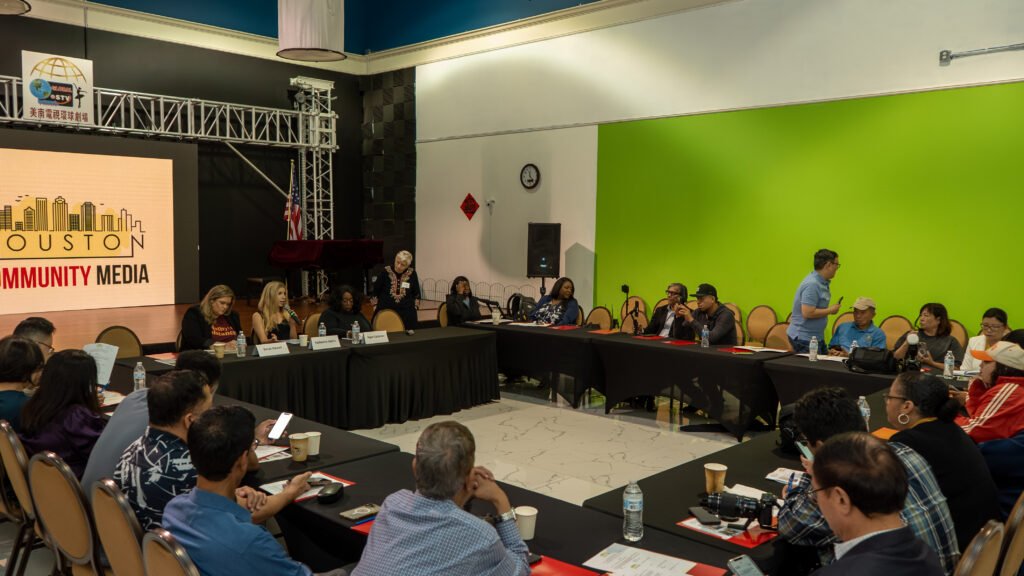
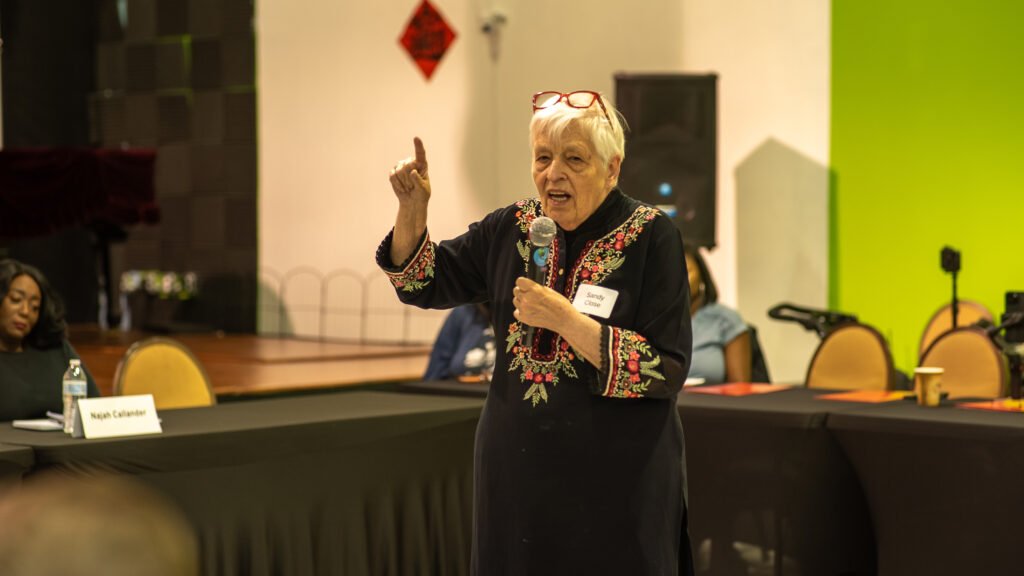
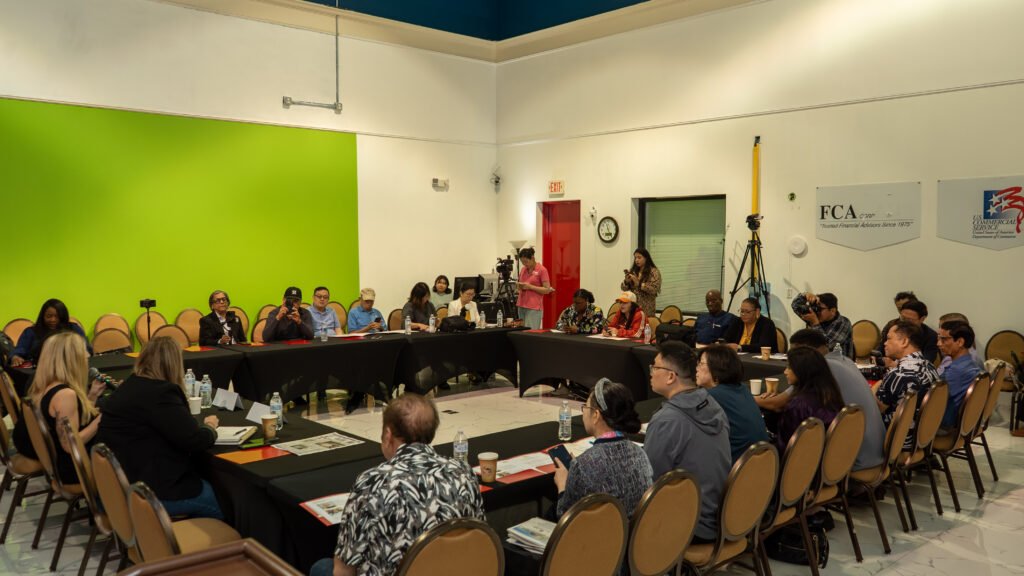
At a May 21 Houston Community Media briefing, moderator Sandy Close opened the discussion by framing youth mental health as one of the most urgent issues facing the Houston metropolitan area, especially students in Houston Independent School District. “Nothing is closer to any of our hearts and minds than how our young people are growing up,” Close said.
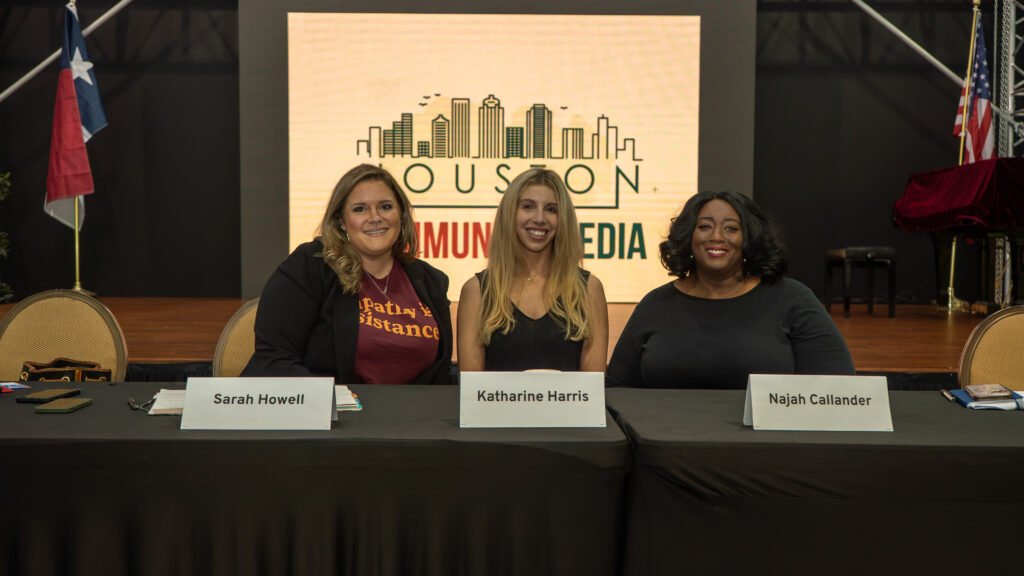
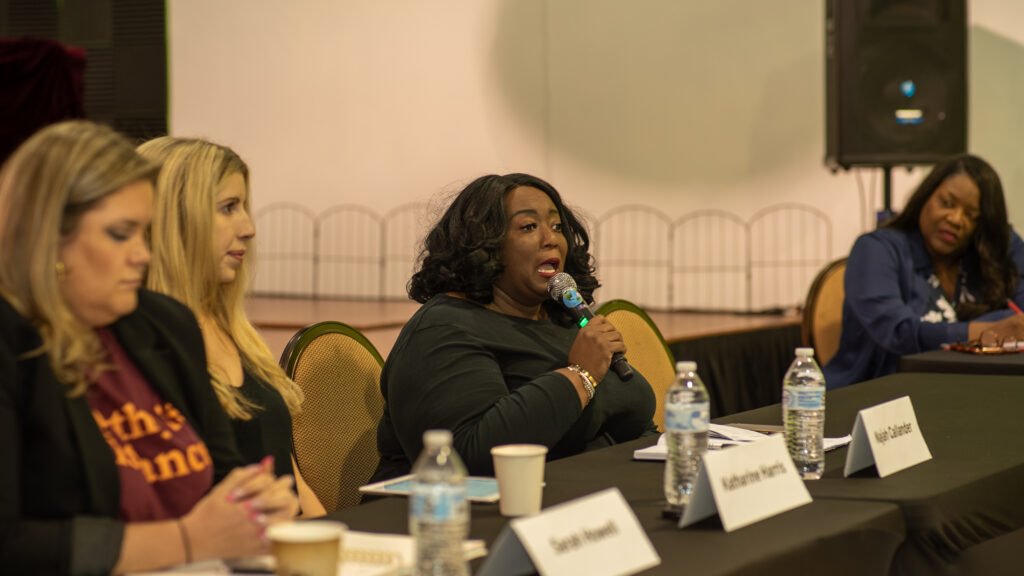
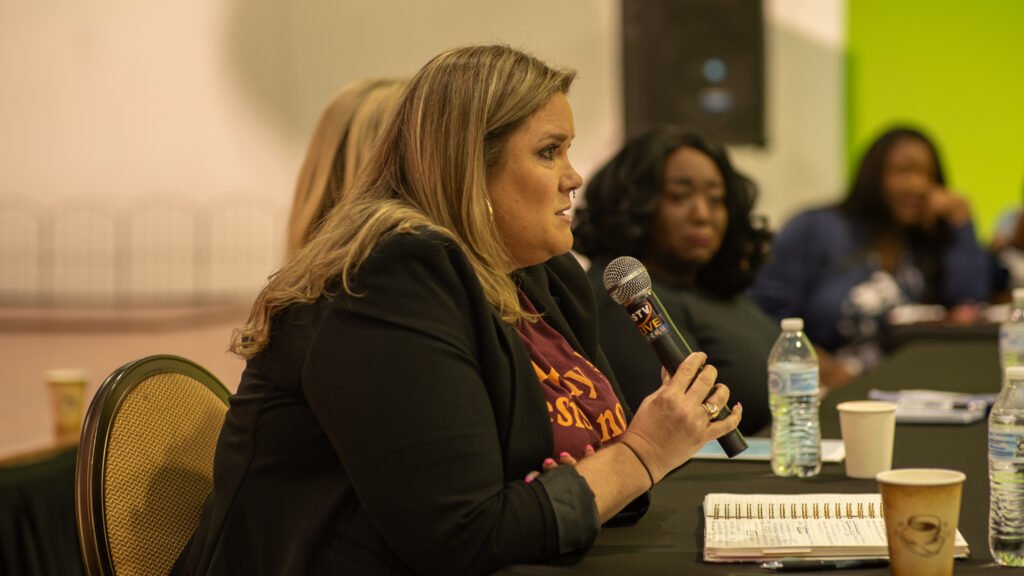
The briefing brought together Katharine Harris of the Baker Institute’s Drug Policy Program, Najah Callander, HISD deputy chief for family and community partnerships, and Sarah Howell, a trauma informed therapist and former HISD campus social worker. Together, they described a crisis that is not only about students, but also about parents, schools, immigration stress, substance use, funding cuts and the need for trusted relationships.
HISD Data Shows Deep Student Distress
Harris said the Baker Institute reviewed data from the CDC’s Youth Risk Behavior Surveillance Survey, which was administered in HISD schools. The 2023 data showed that nearly 42 percent of HISD students said they felt sad or hopeless to the point that they stopped regular activities. Harris said that represented “a 32% increase since 2017.”
She also pointed to one of the most alarming numbers in the briefing. “2023, 14% of HISD students said that they had attempted suicide,” Harris said.
Those local findings match national concerns. The CDC’s 2023 Youth Risk Behavior Survey found that 40 percent of U.S. high school students reported persistent feelings of sadness or hopelessness, while 20 percent seriously considered attempting suicide. The issue is not limited to Houston, but Houston’s numbers show why local action matters.
Bullying, Safety and Substance Use Are Connected
Harris warned that student mental health cannot be separated from bullying, school safety and substance use. “About 16% say they’ve been bullied on campus and another 14% say they’ve been bullied online,” she said.
She also said about one fifth of HISD students reported missing school at some point because they felt unsafe. Black, Latino and LGBTQ students were among the groups more likely to report feeling unsafe, according to Harris.
Substance use added another layer of concern. While Harris noted long term declines in alcohol consumption, binge drinking and cigarette smoking, she said prescription painkiller misuse is moving in the wrong direction locally. “Nearly 19% of students said that they had misused prescription painkillers in 2023,” Harris said.
She also urged families and schools to take opioid overdose prevention seriously. Harris said schools are required by state law to have naloxone, also known as Narcan, but added, “Most overdoses occur in a residence. They occur in somebody’s home.”
Funding Pressures Are Hitting Student Support
The briefing also came during a tense policy moment. HISD is now three years into the state takeover, with major academic reforms, school closures, enrollment losses and ongoing debate about what has been gained or lost. Texas has also launched its new Education Freedom Accounts program for the 2026 to 2027 school year, raising concerns among public school advocates about long term pressure on public school resources.
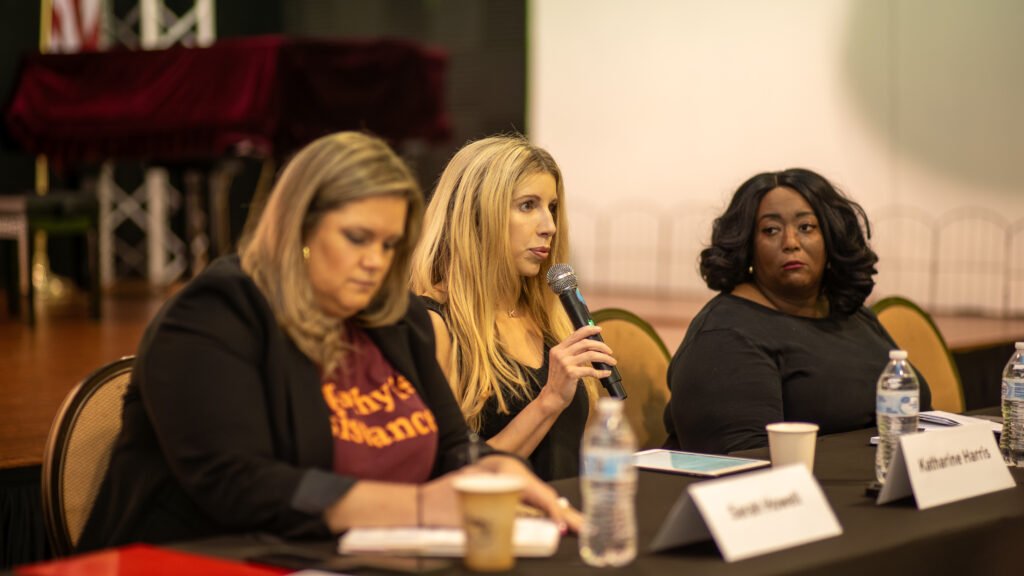
Harris said schools need more permanent mental health support on campus, not less. “One of the biggest things that we could do is go back to having an increasing the presence of mental health services on campus,” she said.
She pointed to the recommended student to counselor ratio of one counselor for every 250 students. In 2024, she said HISD had “one counselor for 547 students,” and that federal funds that helped improve the ratio had gone away.
Federal behavioral health funding has also become unstable. In January 2026, the Trump administration abruptly canceled nearly $2 billion in SAMHSA mental health and addiction grants before reversing course after backlash. For school districts and nonprofits that rely on grants, that uncertainty makes long term planning harder.
Sunrise Centers Try to Meet Families Where They Are
Callander said HISD’s Sunrise Centers were created to connect families with services beyond the classroom. “We have eight Sunrise Centers across the city,” she said. “If you walk through the door, you are going to get your basic needs met, your health needs met, your mental health needs met.”
She said the centers work with nine mental health partners that provide individual sessions, family sessions and group sessions. For many families, mental health cannot be addressed until food, housing, health care and other urgent needs are stabilized.
“For a number of the families that we see in the centers, we are dealing with families who might be in crisis,” Callander said. “They may be homeless, they may need food.”
Callander said HISD’s 2021 needs assessment, done with Rice University’s Houston Education Research Center, showed that more than half of surveyed students reported a mental health challenge. She added that some campuses had 70 to 80 percent of students naming mental health as one of their top five needs.
Students Are Asking for Help
One hopeful sign, Callander said, is that young people are naming their needs directly. “Our students are reaching out and they’re flagging that they need the mental health support,” she said.
She added, “I’m so proud of our students. I don’t know that I would have had the courage, the words, the moxie to advocate for myself in that way.”
HISD has also partnered with Hazel Health to provide telehealth mental health services before, during and after school. Still, Callander was clear that Sunrise Centers and telehealth cannot replace school counselors. “There’s no way that the Sunrise Centers can make up for cuts,” she said.
Relationships Are the Real Intervention
Howell brought the discussion down to the individual student level. After years as a campus based social worker, she said the need was overwhelming. “It wasn’t enough. It was so much need,” Howell said.
Now working in southwest Houston, including with immigrant and first generation families, Howell said many young people are carrying trauma while adults around them are also overwhelmed. “Parents are working long hours,” she said. “The adults are too busy to slow down and say, what’s going on?”
Her biggest message was simple: students need trusted adults who are consistent. “Kids know hypocrisy. They know it a mile away,” Howell said. “Being consistent” is essential.
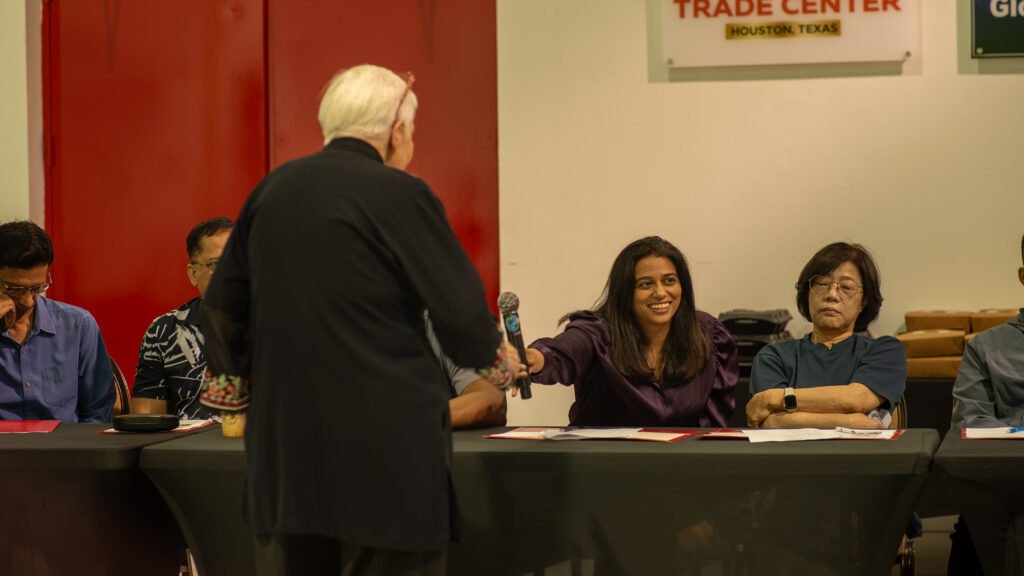
Close tied the briefing together by saying the crisis is about connection. “What are we talking about here? Relationships. Relationships,” she said.
A Houston Issue That Requires a Houston Response
The Houston youth mental health crisis is not only a school issue. It is a family issue, a public health issue, an immigration issue, a funding issue and a community issue. Students are asking for help, but the systems around them are strained.
As Close said, “It’s not the mental health crisis of young people, it’s the mental health crisis of parents as well.”
For Houston, the question is no longer whether young people are struggling. The data, the schools and the students have already answered that. The question now is whether public leaders, families, media and community organizations will build the relationships and resources young people need before crisis becomes the norm.
Informe en Houston pone la salud mental juvenil al centro de las preocupaciones escolares, familiares y comunitarias
Los estudiantes de Houston están enviando un mensaje claro a las escuelas, los padres y los líderes comunitarios: la salud mental ya no es un tema secundario. Está afectando la asistencia escolar, el rendimiento académico, la seguridad, el consumo de sustancias y la estabilidad familiar en toda la ciudad.
Durante una conferencia de Houston Community Media realizada el 21 de mayo, la moderadora Sandy Close presentó la salud mental juvenil como uno de los temas más urgentes para el área metropolitana de Houston, especialmente para los estudiantes del Distrito Escolar Independiente de Houston, HISD. “Nothing is closer to any of our hearts and minds than how our young people are growing up,” dijo Close.
La sesión reunió a Katharine Harris, del Programa de Política de Drogas del Baker Institute; Najah Callander, subdirectora de asociaciones familiares y comunitarias de HISD; y Sarah Howell, terapeuta informada en trauma y ex trabajadora social escolar de HISD. Juntas, describieron una crisis que no se limita a los estudiantes, sino que también involucra a los padres, las escuelas, el estrés migratorio, el uso de sustancias, los recortes de fondos y la necesidad de relaciones de confianza.
Los datos de HISD muestran un profundo sufrimiento estudiantil
Harris explicó que el Baker Institute revisó datos de la Encuesta de Comportamientos de Riesgo Juvenil de los CDC, aplicada en escuelas de HISD. Los datos de 2023 mostraron que casi el 42 por ciento de los estudiantes de HISD dijeron sentirse tristes o sin esperanza al punto de dejar de realizar sus actividades normales. Harris dijo que eso representó “a 32% increase since 2017.”
También señaló una de las cifras más alarmantes de la conferencia. “2023, 14% of HISD students said that they had attempted suicide,” dijo Harris.
Estos hallazgos locales coinciden con preocupaciones nacionales. La encuesta nacional de los CDC de 2023 encontró que el 40 por ciento de los estudiantes de preparatoria en Estados Unidos reportaron sentimientos persistentes de tristeza o desesperanza, mientras que el 20 por ciento consideró seriamente intentar suicidarse. El problema no se limita a Houston, pero las cifras locales muestran por qué la acción comunitaria es urgente.
El acoso, la seguridad y el uso de sustancias están conectados
Harris advirtió que la salud mental estudiantil no puede separarse del acoso, la seguridad escolar y el uso de sustancias. “About 16% say they’ve been bullied on campus and another 14% say they’ve been bullied online,” dijo.
También dijo que aproximadamente una quinta parte de los estudiantes de HISD reportó haber faltado a la escuela en algún momento porque no se sentían seguros. Según Harris, los estudiantes negros, latinos y LGBTQ estuvieron entre los grupos con más probabilidad de reportar sentirse inseguros.
El uso de sustancias agregó otra preocupación. Aunque Harris señaló una disminución a largo plazo en el consumo de alcohol, el consumo excesivo de alcohol y el uso de cigarrillos, dijo que el mal uso de analgésicos recetados se está moviendo en la dirección equivocada a nivel local. “Nearly 19% of students said that they had misused prescription painkillers in 2023,” dijo Harris.
También pidió a las familias y escuelas tomar en serio la prevención de sobredosis por opioides. Harris dijo que las escuelas están obligadas por ley estatal a tener naloxona, también conocida como Narcan, pero agregó: “Most overdoses occur in a residence. They occur in somebody’s home.”
Las presiones de fondos afectan el apoyo estudiantil
La conferencia se realizó en un momento de tensión política y educativa. HISD está en su tercer año bajo intervención estatal, con grandes reformas académicas, cierres de escuelas, pérdidas de matrícula y un debate continuo sobre lo que se ha ganado o perdido. Texas también lanzó su nuevo programa Education Freedom Accounts para el año escolar 2026 a 2027, lo que ha generado preocupación entre defensores de la educación pública sobre la presión a largo plazo en los recursos de las escuelas públicas.
Harris dijo que las escuelas necesitan más apoyo permanente de salud mental en los planteles, no menos. “One of the biggest things that we could do is go back to having an increasing the presence of mental health services on campus,” dijo.
Señaló que la proporción recomendada es de un consejero por cada 250 estudiantes. En 2024, dijo que HISD tenía “one counselor for 547 students,” y que los fondos federales que ayudaron a mejorar esa proporción ya no estaban disponibles.
Los fondos federales para salud mental y adicciones también han enfrentado incertidumbre. En enero de 2026, la administración Trump canceló abruptamente casi 2 mil millones de dólares en subvenciones de SAMHSA para salud mental y adicciones, antes de revertir la decisión tras críticas públicas. Para distritos escolares y organizaciones sin fines de lucro que dependen de subvenciones, esa inestabilidad dificulta la planificación a largo plazo.
Los Sunrise Centers buscan atender a las familias donde están
Callander dijo que los Sunrise Centers de HISD fueron creados para conectar a las familias con servicios más allá del salón de clases. “We have eight Sunrise Centers across the city,” dijo. “If you walk through the door, you are going to get your basic needs met, your health needs met, your mental health needs met.”
Explicó que los centros trabajan con nueve socios de salud mental que ofrecen sesiones individuales, sesiones familiares y sesiones grupales. Para muchas familias, la salud mental no puede atenderse hasta que se estabilicen necesidades urgentes como comida, vivienda, atención médica y otros apoyos básicos.
“For a number of the families that we see in the centers, we are dealing with families who might be in crisis,” dijo Callander. “They may be homeless, they may need food.”
Callander dijo que la evaluación de necesidades de HISD de 2021, realizada con el Houston Education Research Center de Rice University, mostró que más de la mitad de los estudiantes encuestados reportaron un desafío de salud mental. Agregó que en algunos planteles, entre el 70 y el 80 por ciento de los estudiantes nombraron la salud mental como una de sus cinco principales necesidades.
Los estudiantes están pidiendo ayuda
Una señal esperanzadora, dijo Callander, es que los jóvenes están nombrando sus necesidades directamente. “Our students are reaching out and they’re flagging that they need the mental health support,” dijo.
También agregó: “I’m so proud of our students. I don’t know that I would have had the courage, the words, the moxie to advocate for myself in that way.”
HISD también se ha asociado con Hazel Health para ofrecer servicios de telesalud mental antes, durante y después del horario escolar. Aun así, Callander fue clara en que los Sunrise Centers y la telesalud no pueden reemplazar a los consejeros escolares. “There’s no way that the Sunrise Centers can make up for cuts,” dijo.
Las relaciones son la verdadera intervención
Howell llevó la conversación al nivel individual del estudiante. Después de años como trabajadora social escolar, dijo que la necesidad era abrumadora. “It wasn’t enough. It was so much need,” dijo Howell.
Ahora trabajando en el suroeste de Houston, incluso con familias inmigrantes y de primera generación, Howell dijo que muchos jóvenes están cargando trauma mientras los adultos a su alrededor también están sobrecargados. “Parents are working long hours,” dijo. “The adults are too busy to slow down and say, what’s going on?”
Su mensaje principal fue sencillo: los estudiantes necesitan adultos de confianza que sean constantes. “Kids know hypocrisy. They know it a mile away,” dijo Howell. “Being consistent” es esencial.
Close conectó toda la conferencia al decir que la crisis se trata de conexión. “What are we talking about here? Relationships. Relationships,” dijo.
Un problema de Houston que requiere una respuesta de Houston
La crisis de salud mental juvenil en Houston no es solo un problema escolar. Es un problema familiar, de salud pública, de inmigración, de fondos y de comunidad. Los estudiantes están pidiendo ayuda, pero los sistemas que los rodean están bajo presión.
Como dijo Close, “It’s not the mental health crisis of young people, it’s the mental health crisis of parents as well.”
Para Houston, la pregunta ya no es si los jóvenes están luchando. Los datos, las escuelas y los propios estudiantes ya respondieron eso. La pregunta ahora es si los líderes públicos, las familias, los medios y las organizaciones comunitarias construirán las relaciones y los recursos que los jóvenes necesitan antes de que la crisis se convierta en la norma.
About The Author


More Stories
Houston Text Fest 2026: A Community’s Stories Come Together (Photo Gallery)
Three Days at TEXAS TRIBUNE TribFest 2026: Covering the Questions Shaping Texas (w/ Photo Gallery)
Texas Midterm Elections 2026 What Voters and Journalists Need to Know